
Water is fast—way faster than most people realize. One minute your kitchen is dry, and the next, a supply line has snapped behind the fridge or a storm has pushed a flood right under your front door. At that point, your house is basically a giant sponge. Emergency water removal isn’t just a “good idea”—it is a race against time to save your property from a total loss. The clock starts the second that water hits the floor. How you handle the next hour decides if you’re looking at a simple dry-out or a massive, six-week reconstruction project.
It’s basic physics. The longer water sits, the deeper it sinks into the structure. Speed is the only thing standing between saving your original hardwood floors and having to rip them out. When every minute counts, a couple of mops and some beach towels won’t do anything. You need a professional response to stop the destruction before it becomes a permanent part of your home’s “bones.”
Speed is the Whole Game
Water is aggressive. It travels through the flooring, into the drywall, and deep into your insulation almost instantly. Think of the first hour or two as your “golden window.” If you get the water out then, you can usually save the materials.
If you let it sit for a day or two, you aren’t just dealing with a wet floor anymore. You have a full-blown mold factory. Professional emergency water removal stops that process before it even starts. It keeps your repair bills from spiraling and gets your life back to normal much faster.
What the Experts Actually Do
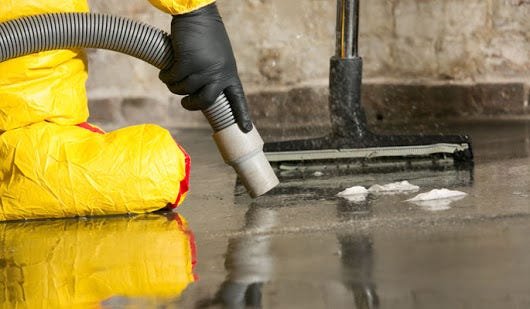
Standing water is heavy, dirty, and a massive safety hazard. The pros are trained to get huge volumes of liquid out without making the mess worse. They don’t just point a shop-vac at a puddle and hope for the best. They use specific extraction methods depending on whether they are working on tile, hardwood, or concrete. Their main goal is making sure every single hidden pocket of water is actually gone.
Dealing with Contaminated Flood Water
Floodwater is a different beast entirely. It’s usually “black water,” which means it is likely carrying raw sewage, chemicals, or bacteria. This kind of cleanup requires serious safety gear and industrial-grade sanitizers. The pros don’t just suck up the water; they decontaminate the whole area so your family isn’t breathing in mold spores or bacteria for the next six months.
Extraction and Drying: The Package Deal
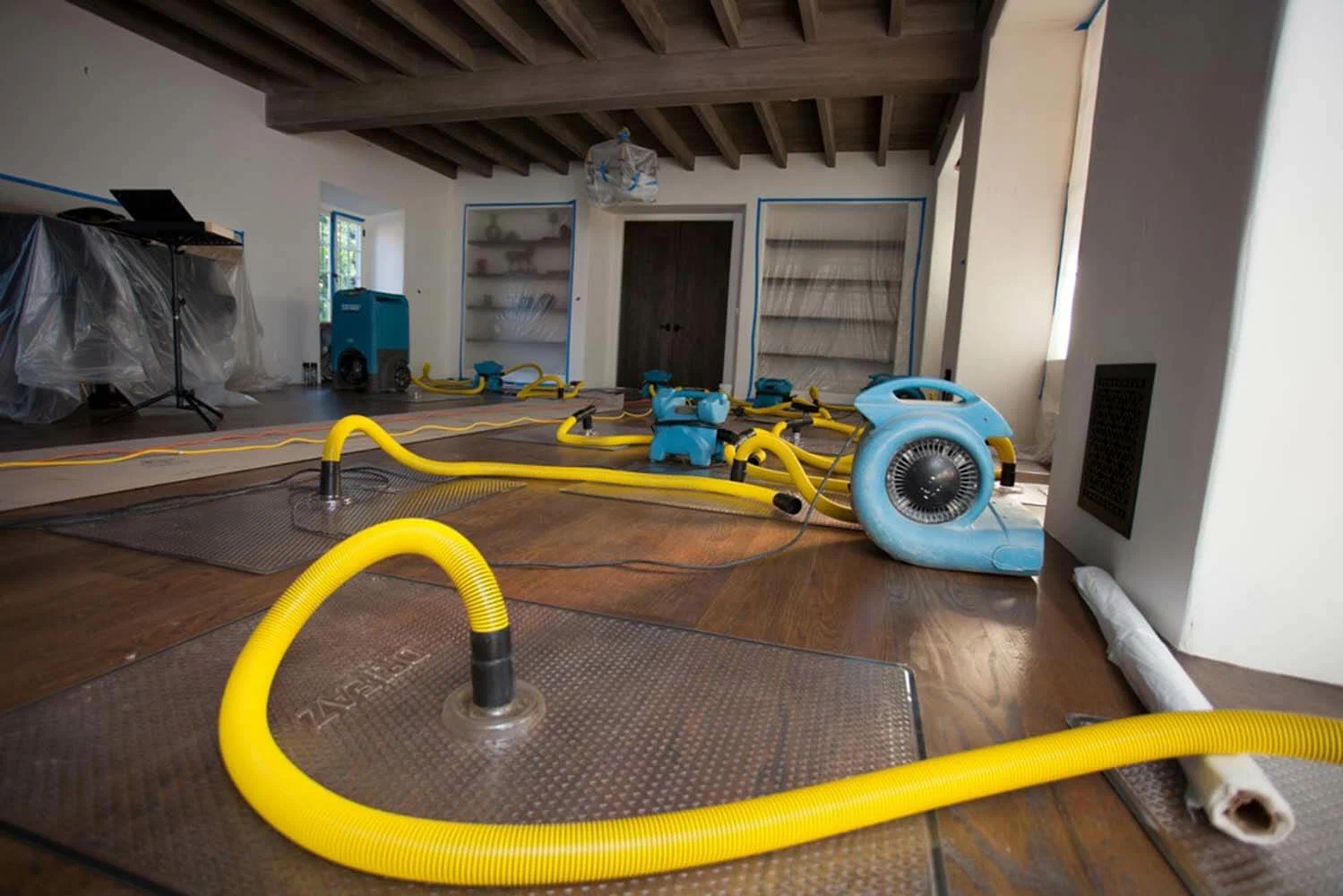
Just because the floor looks dry doesn’t mean the job is finished. Extraction and drying have to work as a team. Once the bulk of the water is sucked out, high-powered air movers and dehumidifiers have to take over. This pulls the deep moisture out of the air and the subflooring. It’s the only way to make sure the house is dry all the way through the studs.
Why Emergency Water Removal Speed Is Critical
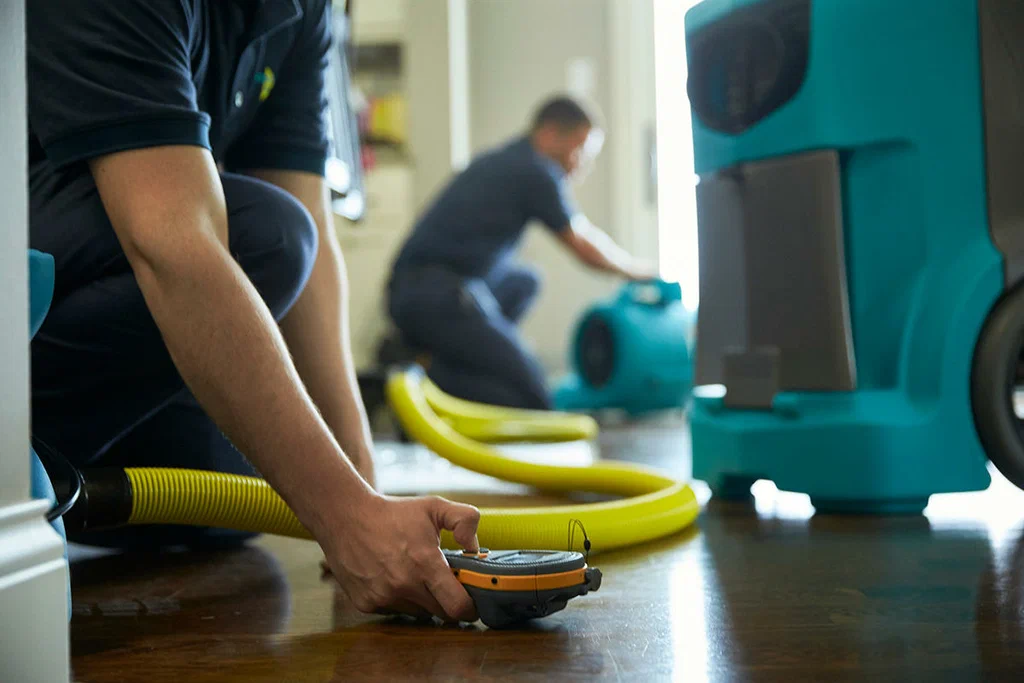
Water finds every crack. It gets into wall cavities and under cabinets where you can’t even see it. Pros use tools like thermal imaging to “see” exactly where the damp spots are hiding. If you leave even a tiny bit of moisture behind, you are basically inviting mold to grow inside your walls where you won’t see it until it’s a major problem.
Keeping the Mess Contained
When one room floods, you have to stop it from taking over the rest of the house. Professionals use physical barriers and specific airflow patterns to “trap” the moisture in one zone. This keeps your repair costs from ballooning by protecting the rooms that are still dry.
Gear That Actually Works
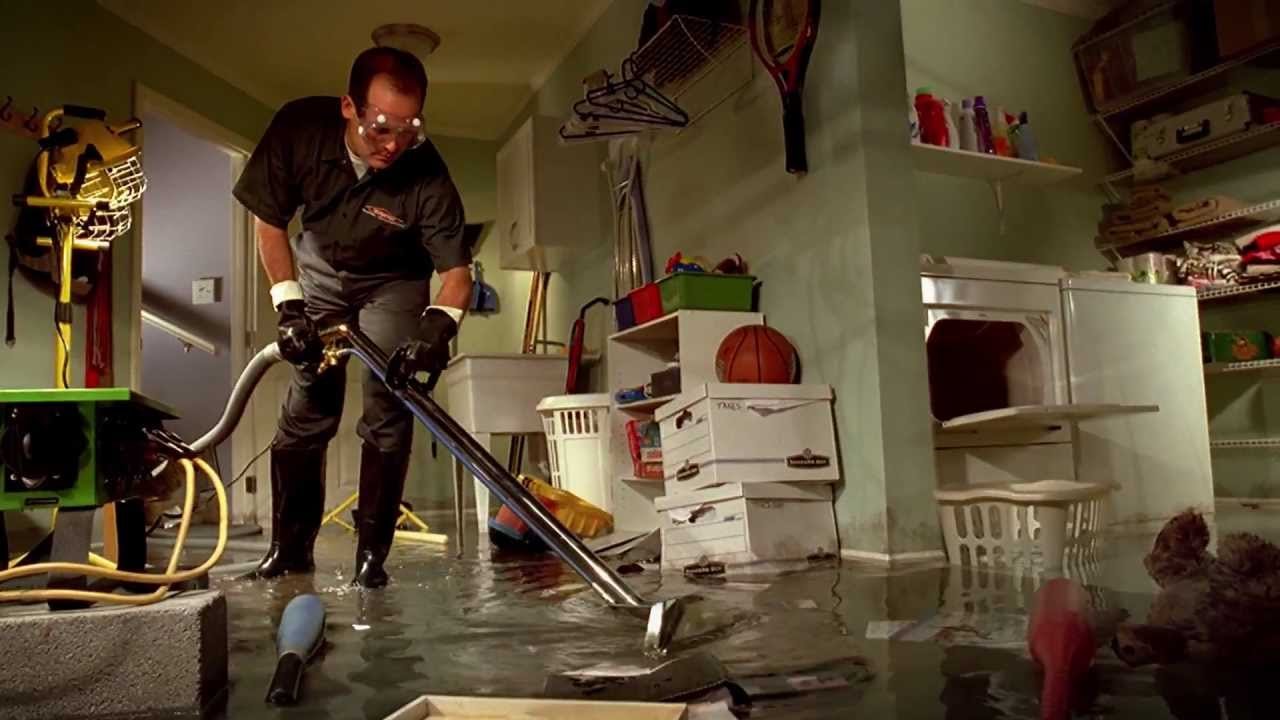
A regular vacuum from the garage is useless here. Professionals use industrial equipment like truck-mounted vacuums and high-capacity pumps that pull out thousands of gallons an hour. This gear is built for speed. It allows a crew to stabilize a massive flood before the structure of your home starts to rot or warp.
Protecting the Structure
Once the water is gone, drying techniques keep the “bones” of your house safe. By managing the temperature and the airflow, technicians dry out the framing and subfloors evenly. This prevents the wood from splitting or warping, which is vital for keeping your house safe to live in for the long haul.
Why Certification Matters
You should always look for certified water removal technicians. It means they’ve been through the ringer on training and know the industry safety codes. They know how different materials—like marble versus laminate—react to water, so they can pick the best way to save them without causing more damage.
Fast Extraction for Immediate Relief
The quicker the water is gone, the sooner you can stop stressing. Fast action gives you the best chance of saving your furniture, rugs, and personal items that would be ruined if they sat in a pool of water overnight.
Picking the Right Team
In a crisis, you need a team you can actually trust to show up. Look for someone with a local reputation, modern equipment, and a clear license. Companies like Homerun Restoration have built their names by being honest and fast during high-stress situations. You want a team that values quality over a quick paycheck.
The Bottom Line
An immediate response does more than just dry the floor today. It protects your property value and prevents future health issues. Early intervention is the best way to keep your insurance claim simple and your home healthy for the long run. When it comes to water in your house, speed is everything.
FAQs
- Can I just wait until the morning? No. Water doesn’t sleep. The longer it sits, the more it soaks into the structure of your home. Start the removal as soon as you find the leak.
- Can standing water really ruin my house that fast? Yes. Water can weaken drywall and warp wood in a matter of hours. If it hits your electrical outlets, it also becomes a major fire hazard.
- Is a pro really better than a DIY shop-vac? Absolutely. Professional pumps are hundreds of times more powerful and can pull moisture out of the “pores” of your floor that a shop-vac would never reach.
- Does 24/7 service cost a lot more? There might be a small after-hours fee, but it is nothing compared to the thousands of dollars you will save by preventing mold and a total floor replacement.