
Mold problems often start quietly but can turn into serious health and property concerns if handled incorrectly. Many property owners face the same dilemma when mold appears: should they attempt cleanup themselves or call experts? Understanding professional mold restoration vs DIY is essential for making the right decision for your health, safety, and long-term property value.
This detailed guide explains how mold develops, the real risks involved, why professional restoration differs from DIY methods, and how certified experts provide safer, more effective, and lasting solutions.
Understanding Mold and Why It’s a Serious Issue
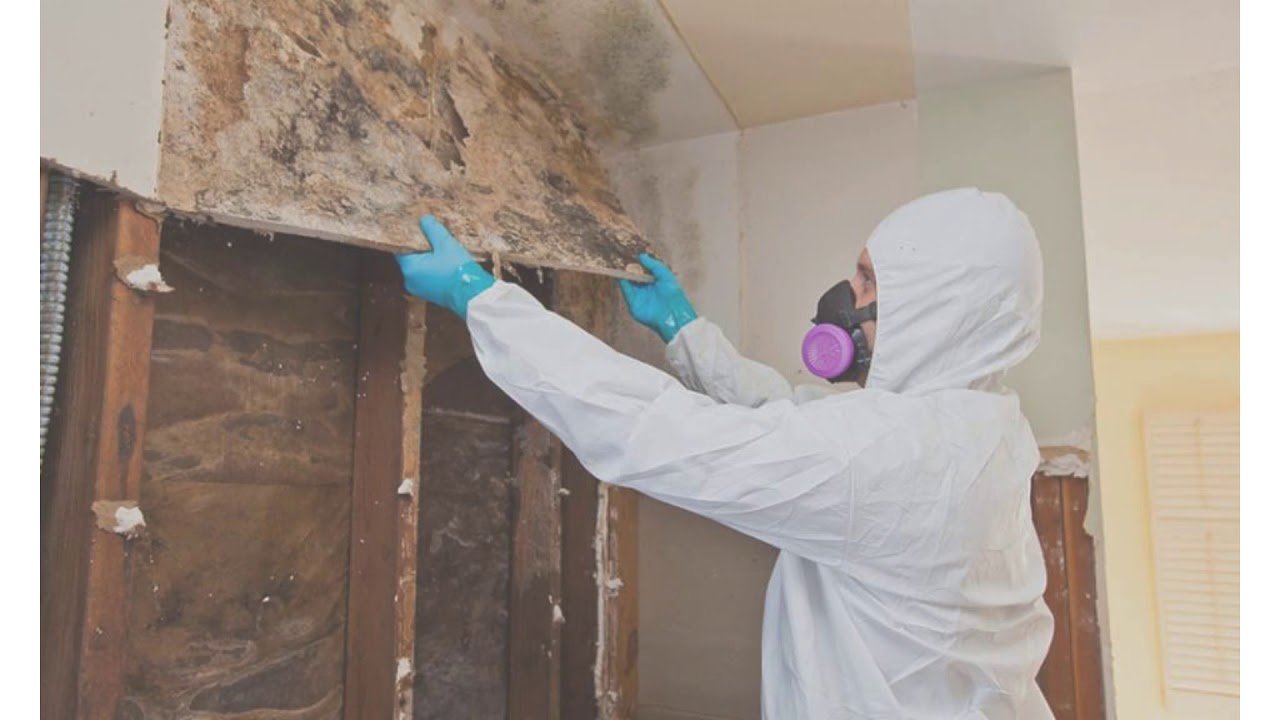
Mold thrives in damp environments and spreads through microscopic spores that are invisible to the naked eye. Once mold establishes itself, it can grow behind walls, under flooring, inside HVAC systems, and in insulation.
Without proper handling, mold spreads further, releases allergens into the air, and compromises indoor air quality. This is where the debate between professional mold restoration and DIY solutions becomes critical.
Mold Contamination Assessment: The First Major Difference
One of the biggest differences between professionals and DIY approaches is mold contamination assessment. DIY efforts often focus only on visible mold, ignoring hidden growth.
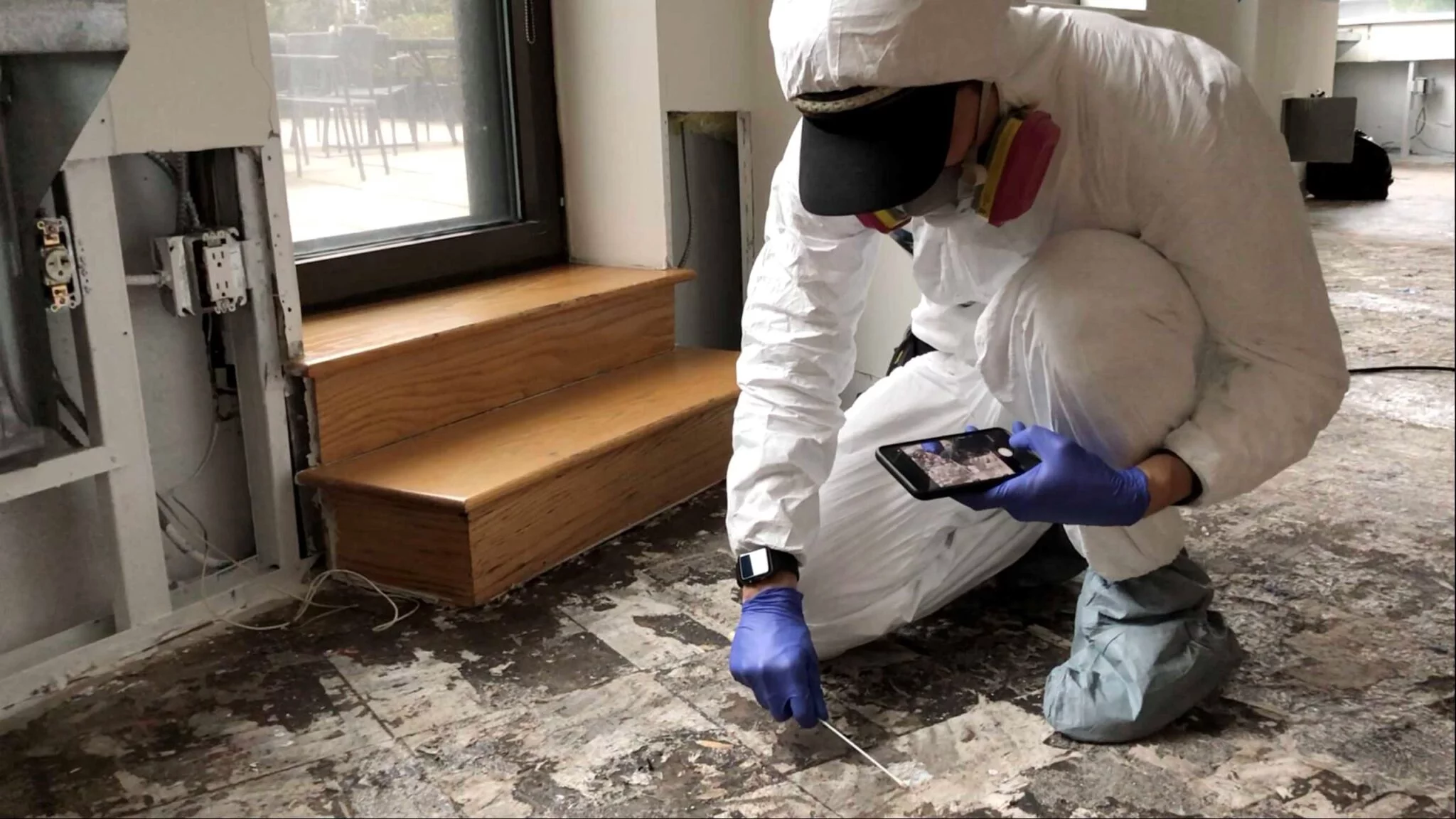
Professional services begin with a comprehensive assessment that identifies the source of moisture, the type of mold present, and the extent of contamination. Advanced tools such as moisture meters and air sampling help experts locate mold in concealed areas, preventing incomplete treatment.
Professional Mold Inspection vs Visual DIY Checks
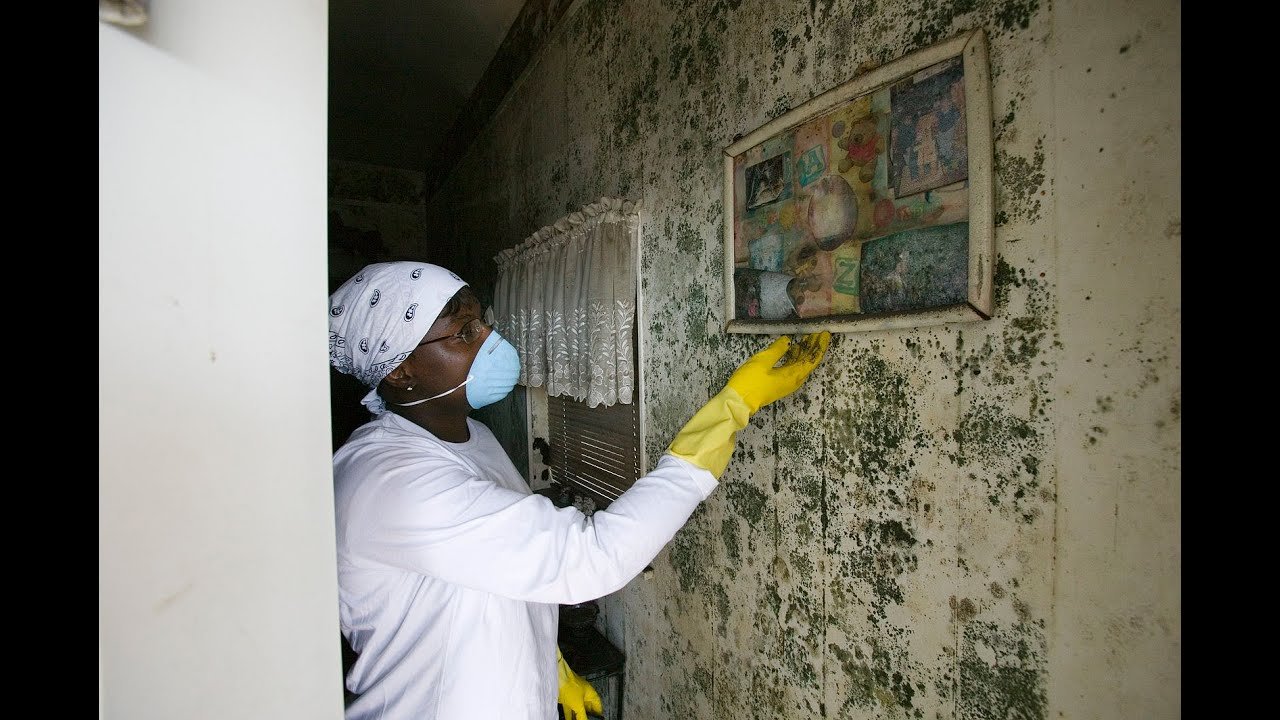
A professional mold inspection goes far beyond surface observation. Certified inspectors evaluate air quality, building materials, and humidity levels to determine how deeply mold has penetrated the structure.
DIY inspections rely heavily on smell or visible spots, which often leads to underestimating the severity of the problem. Missing hidden mold allows contamination to return, sometimes worse than before.
Mold Remediation Process Explained
The mold remediation process is a structured, multi-step approach designed to eliminate mold safely and prevent recurrence. It includes containment, air filtration, mold removal, cleaning, and moisture correction.
DIY methods usually involve household cleaners or bleach, which may remove surface stains but rarely address spores or root causes. Professional remediation focuses on complete removal and prevention, not cosmetic cleanup.
Mold Removal Safety Standards and Health Protection
Mold removal involves serious health risks if handled improperly. Mold removal safety standards are designed to protect occupants and technicians from inhaling harmful spores.
Professionals use personal protective equipment, sealed containment zones, and negative air pressure systems. DIY attempts often lack these protections, increasing exposure and spreading spores throughout the property.
Health Risks of Mold Exposure You Should Not Ignore
The health risks of mold exposure are one of the strongest arguments against DIY remediation. Mold can cause respiratory issues, allergies, skin irritation, headaches, and worsen asthma or immune conditions.
Children, elderly individuals, and those with compromised immune systems are particularly vulnerable. Professional restoration minimizes exposure risks by safely containing and removing mold at its source.
Mold Containment Procedures: Why They Matter
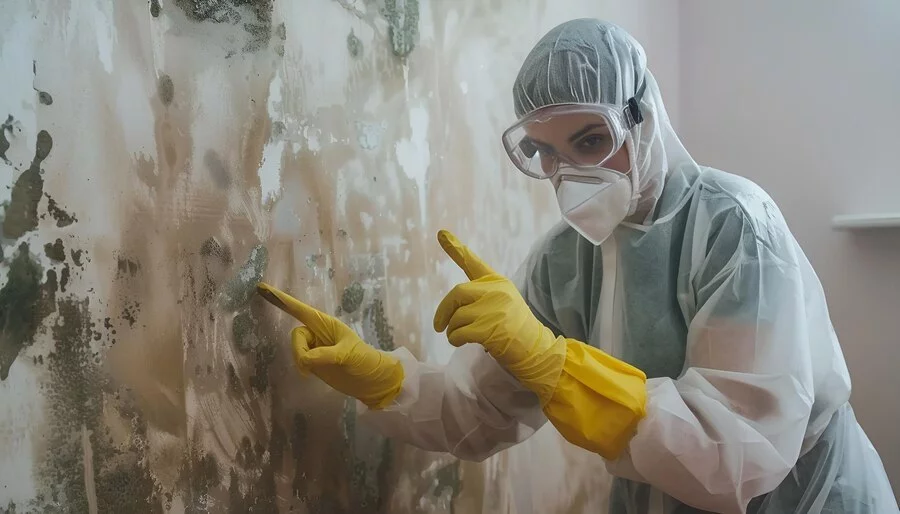
Effective mold containment procedures prevent spores from spreading during removal. Professionals isolate affected areas using plastic barriers and specialized airflow systems.
DIY cleanup often disturbs mold colonies, allowing spores to travel through the air and contaminate other rooms. Without proper containment, a small mold issue can quickly become a whole-property problem.
Industrial Grade Mold Removal Equipment vs Household Tools
Professionals rely on industrial grade mold removal equipment such as HEPA air scrubbers, negative air machines, and commercial dehumidifiers.
Household tools are not designed to handle airborne spores or deep contamination. Professional equipment ensures thorough removal and improved indoor air quality, which DIY tools simply cannot achieve.
Professional Mold Containment Systems and Air Quality Control
Professional mold containment systems work hand in hand with air filtration to protect unaffected areas. HEPA filtration captures microscopic spores, improving indoor air conditions during and after remediation.
DIY efforts lack proper air control, often worsening indoor air quality and increasing health risks instead of reducing them.
Certified Mold Restoration Technicians and Proven Expertise
Working with certified mold restoration technicians ensures that remediation follows industry-approved methods. Certification reflects training, experience, and adherence to strict safety guidelines.
DIY solutions rely on guesswork, online tutorials, or general cleaning products, which can lead to improper handling and recurring problems.
Moisture Control Solutions: The Root Cause Factor
Mold will always return if moisture problems are not resolved. Moisture control solutions are a critical part of professional mold restoration.
Experts identify leaks, condensation issues, poor ventilation, or drainage problems and address them directly. DIY cleanup often ignores moisture sources, allowing mold to reappear even after surface cleaning.
Air Quality Improvement Services and Long-Term Benefits
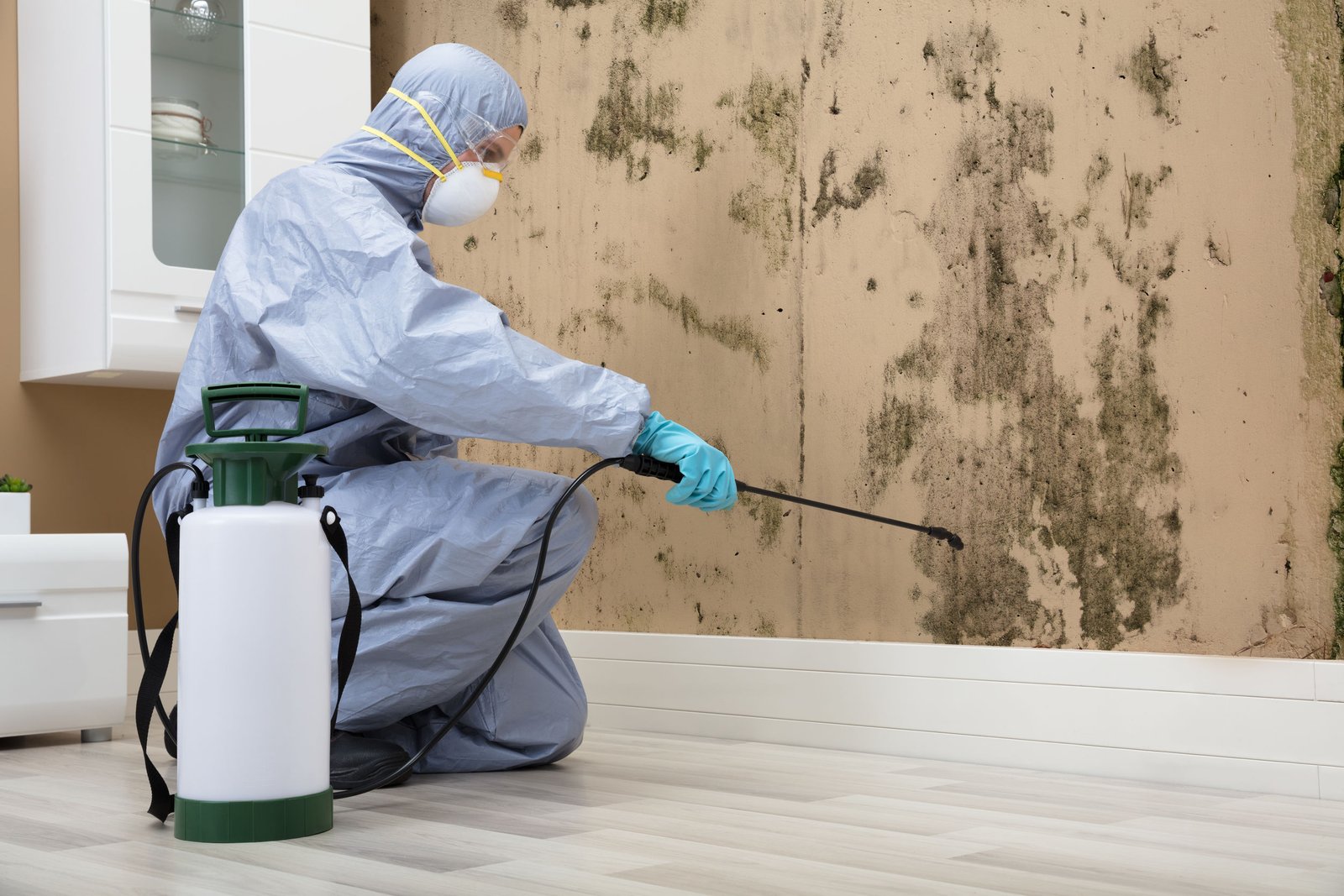
Professional restoration includes air quality improvement services that reduce airborne contaminants and restore a healthier indoor environment.
This is especially important in homes and commercial buildings where air circulation can spread spores. DIY methods rarely address air quality beyond temporary odor masking.
Licensed Mold Remediation Company vs DIY Responsibility
Hiring a licensed mold remediation company provides accountability, compliance with regulations, and documented procedures. Licensed companies follow established protocols and often provide warranties or guarantees.
DIY remediation places full responsibility on the property owner, including health risks, incomplete removal, and potential legal or insurance complications.
Guaranteed Mold Remediation Services and Peace of Mind
One major advantage of professional services is access to guaranteed mold remediation services. Reputable companies stand behind their work, offering assurance that mold is properly addressed.
DIY efforts offer no guarantees. If mold returns, the time, effort, and cost are repeated—often at a higher expense.
Long Term Mold Prevention Solutions vs Temporary Fixes
Long term mold prevention solutions are the final step in professional restoration. These include humidity control, ventilation improvements, waterproofing recommendations, and maintenance guidance.
DIY approaches usually focus on immediate cleanup without preventive planning, leading to recurring mold growth and escalating damage over time.
Residential and Commercial Mold Restoration Differences
Both homes and businesses face mold risks, but commercial spaces require stricter compliance and documentation. Professional services adapt remediation strategies to the property type, ensuring safety, efficiency, and regulatory alignment.
DIY solutions are rarely suitable for commercial properties due to liability, health standards, and operational risks.
Choosing the Right Mold Restoration Partner
Selecting the right restoration partner is critical. Look for certification, experience, transparent communication, and advanced equipment.
Companies like Homerun Restoration combine professional expertise with proven restoration systems, delivering safe, effective, and lasting mold solutions. Their approach aligns with Google’s E-E-A-T principles by demonstrating experience, authority, and trustworthiness in every project.
Final Thoughts
When comparing professional mold restoration vs DIY, the difference is clear. DIY methods may seem cost-effective at first, but they often fail to address hidden contamination, health risks, and moisture sources.
Professional mold restoration offers thorough assessment, safe removal, advanced technology, and long-term prevention. Investing in expert services protects your health, your property, and your peace of mind—making it the smarter choice in the long run.
Frequently Asked Questions (FAQs)
1. Is DIY mold removal ever safe?
DIY cleanup may be acceptable for very small surface mold, but larger or recurring issues should always be handled by professionals.
2. How do professionals prevent mold from returning?
They address moisture sources, use containment systems, and apply long-term prevention strategies.
3. Can mold affect indoor air quality?
Yes. Mold releases spores that significantly reduce air quality and can cause health problems if not properly removed.
4. Is professional mold remediation worth the cost?
Yes. Professional services prevent recurring damage, protect health, and often save money by avoiding repeated cleanup and repairs.