
Ceiling water damage is one of the most stressful problems a homeowner or business owner can face. What often starts as a small stain can quickly turn into sagging drywall, mold growth, and serious structural concerns. Acting fast and understanding the full ceiling water damage repair process is essential to protect your property, health, and budget.
This in-depth guide explains the common causes of ceiling water damage, how professionals identify and fix the problem, and what you can do to prevent it from happening again. It also clarifies when emergency action is required and why professional restoration delivers safer, longer-lasting results.
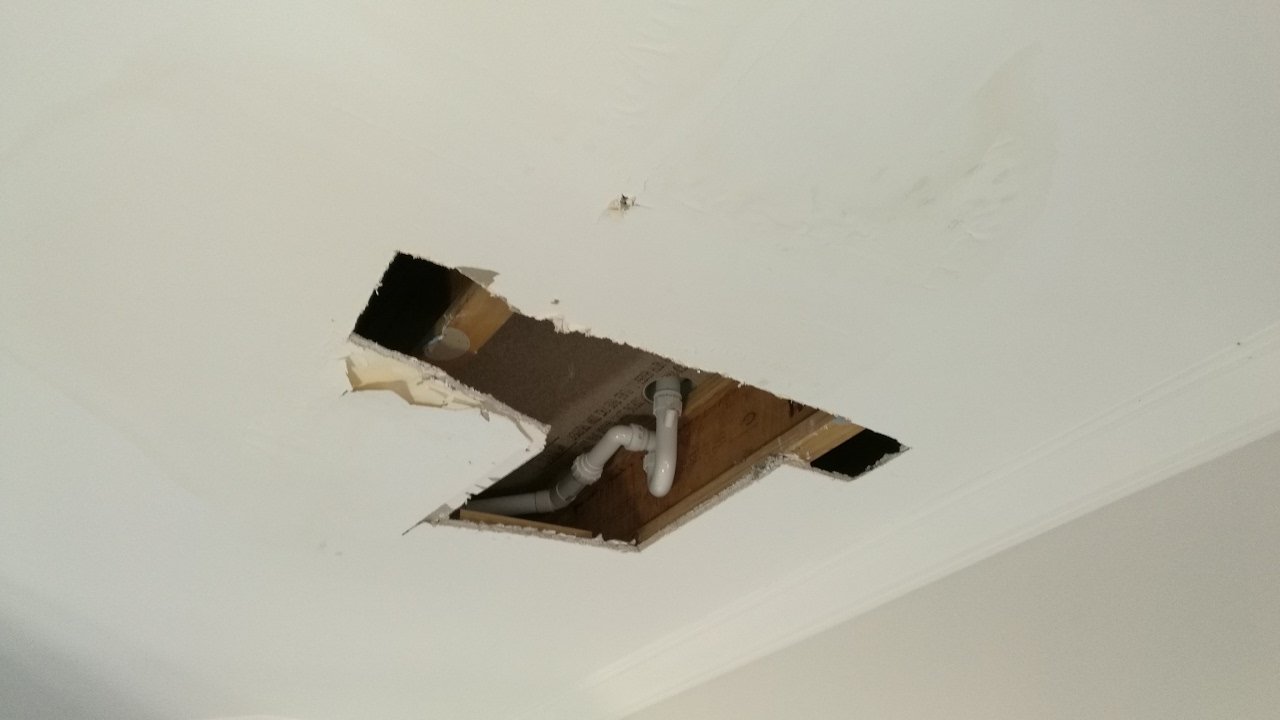
Understanding Ceiling Water Damage and Why It Should Never Be Ignored
Ceilings are especially vulnerable to hidden water issues because leaks often originate above them. Roof damage, plumbing failures, HVAC condensation, or upstairs bathroom leaks can allow water to slowly saturate ceiling materials.
Ignoring early warning signs allows moisture to spread deeper into drywall, insulation, and framing. Over time, this can weaken the structure, create unhealthy indoor air conditions, and dramatically increase repair costs.
Signs of Ceiling Water Damage You Should Watch For
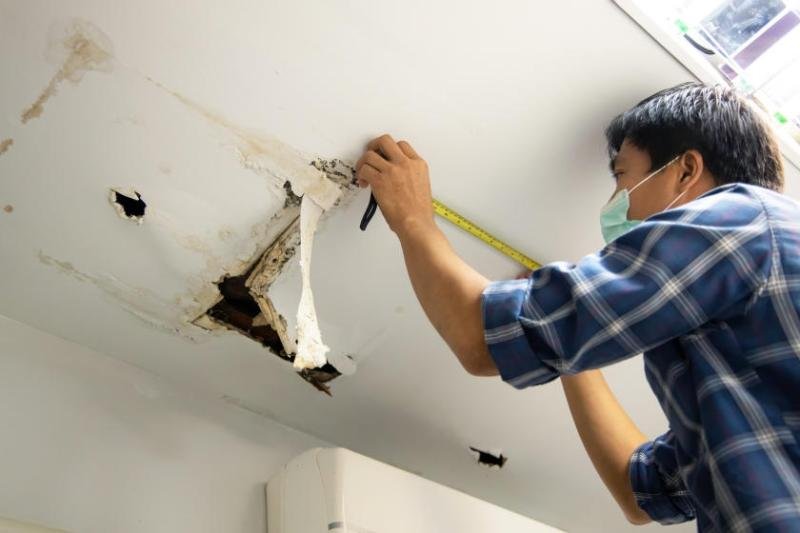
The earliest signs of ceiling water damage are often subtle. Discoloration, faint stains, or peeling paint usually indicate moisture intrusion. Over time, these issues may worsen into bubbling textures, sagging sections, or visible cracks.
Ceiling stains and discoloration are not just cosmetic problems. They usually signal ongoing moisture exposure that requires immediate attention to prevent further damage.
Ceiling Stains and Discoloration: What They Really Mean
Brown, yellow, or copper-toned stains are common indicators of water intrusion. Ceiling stains and discoloration often appear long after a leak begins, which means moisture may already be trapped inside the ceiling cavity.
Professional evaluation is important because surface stains alone do not reveal the full extent of damage. Moisture can travel laterally, affecting areas far from the visible stain.
Water Leak Detection Methods Used by Professionals
Finding the source of water is the most critical step in successful repair. Advanced water leak detection methods help professionals locate hidden leaks without unnecessary demolition.
Technicians use moisture meters, infrared cameras, and pressure testing to trace water paths accurately. This approach prevents repeated repairs by addressing the true source instead of just the visible damage.
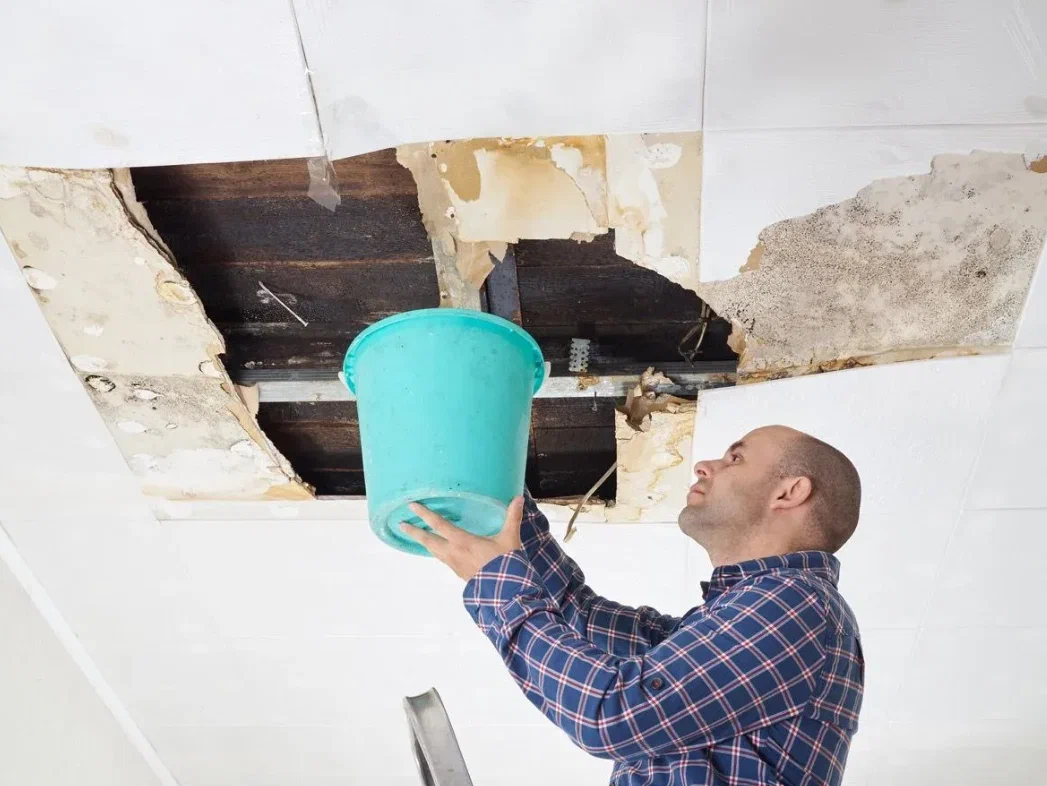
Ceiling Drywall Water Damage and Material Failure
Drywall is highly absorbent, making ceiling drywall water damage one of the most common outcomes of leaks. Once saturated, drywall loses strength and may sag or crumble.
In many cases, damaged drywall must be removed and replaced to ensure safety and prevent mold growth. Professional drying and assessment determine whether materials can be salvaged or require replacement.
Plaster Ceiling Water Repair in Older Properties
Older homes often have plaster ceilings, which react differently to moisture. Plaster ceiling water repair requires specialized knowledge because plaster can crack, delaminate, or separate from lath when exposed to water.
Professionals evaluate the condition of the plaster and underlying structure to determine the safest repair method. Improper handling can lead to further cracking or collapse.
Moisture Damage Assessment and Structural Safety
A thorough moisture damage assessment identifies how deeply water has penetrated ceiling materials and whether structural elements are affected.
This assessment is critical for safety. Prolonged moisture exposure can weaken joists, beams, and fasteners. Professional inspections ensure repairs restore both appearance and structural integrity.
Structural Ceiling Inspection for Long-Term Stability
A structural ceiling inspection evaluates load-bearing components and identifies any compromise caused by water exposure.
This step is especially important after long-term leaks or heavy water intrusion. Addressing structural concerns early prevents future hazards and costly repairs.
Ceiling Mold Growth Prevention and Health Protection
Moisture creates ideal conditions for mold. Ceiling mold growth prevention is a vital part of water damage repair, not an optional add-on.
Professionals dry affected areas thoroughly, remove contaminated materials if necessary, and apply preventive treatments. This approach protects indoor air quality and reduces health risks associated with mold exposure.
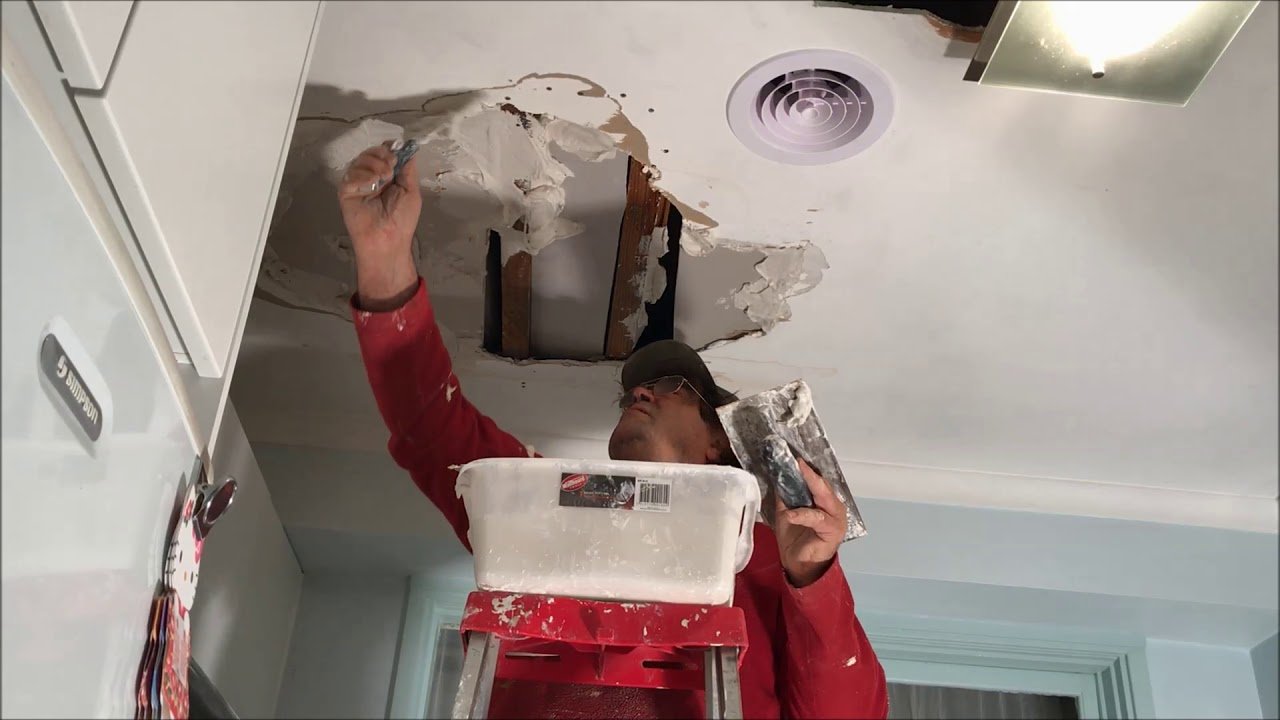
Ceiling Drying Techniques Used by Professionals
Effective drying requires more than fans. Professional ceiling drying techniques use controlled airflow, dehumidification, and moisture monitoring to ensure all trapped water is removed.
Incomplete drying is one of the main reasons mold and recurring damage occur. Professional equipment ensures moisture levels return to safe standards before repairs are completed.
The Complete Water Damage Repair Process Explained
The water damage repair process follows a structured sequence designed to deliver lasting results. It begins with emergency stabilization, leak detection, and water control.
Next comes drying, dehumidification, material removal if required, and repairs to restore the ceiling to its original condition. Each step is documented to ensure quality and accountability.
Emergency Ceiling Leak Repair and Immediate Action
Some situations require urgent response. Emergency ceiling leak repair is necessary when active leaks, sagging sections, or electrical risks are present.
Immediate professional intervention prevents collapse, limits water spread, and protects occupants. Delaying emergency repairs often leads to significantly higher restoration costs.
Residential and Commercial Ceiling Water Damage Repair
Homes and commercial buildings face different challenges. Residential repairs focus on safety, comfort, and aesthetics, while commercial projects must minimize downtime and meet compliance standards.
Professional contractors tailor repair strategies based on property type, ensuring efficient restoration without unnecessary disruption.
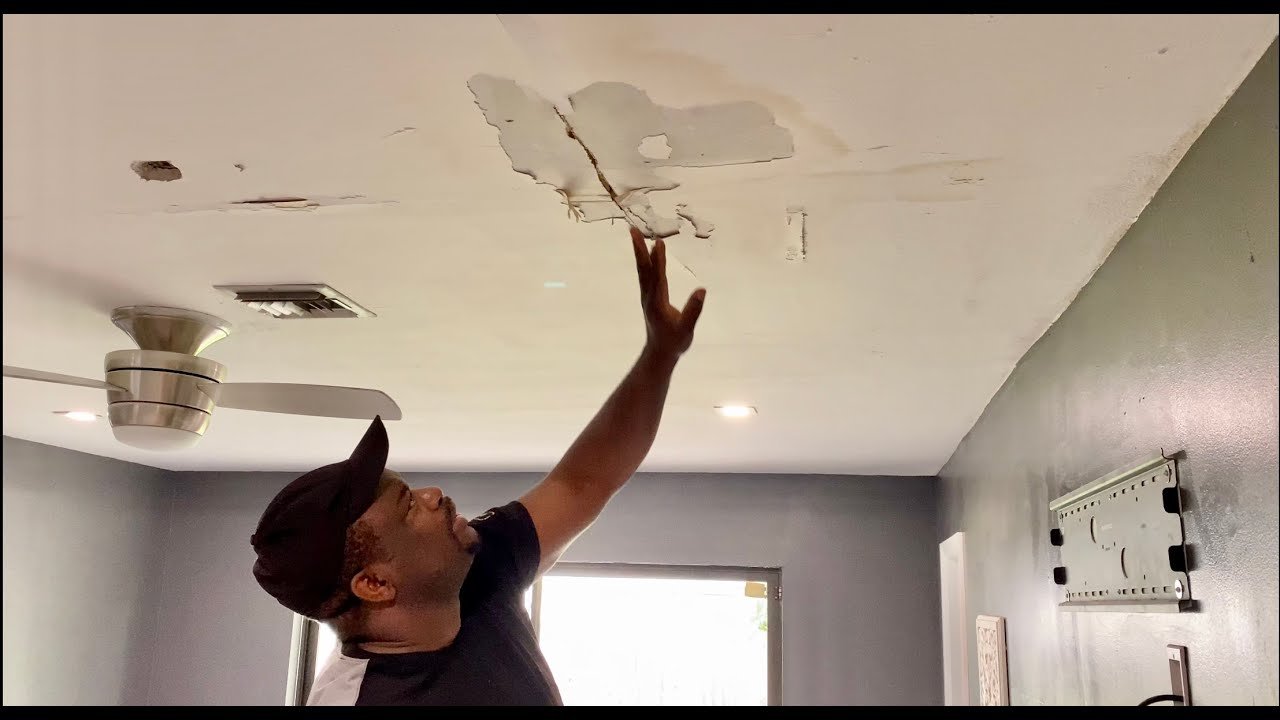
Hiring Professional Ceiling Repair Contractors
Choosing professional ceiling repair contractors ensures repairs meet safety and quality standards. Professionals bring experience, advanced tools, and proven processes that DIY solutions cannot match.
They also provide clear communication, accurate timelines, and long-term repair solutions rather than temporary fixes.
Why You Should Hire a Ceiling Water Damage Repair Service
Attempting DIY repairs without proper assessment often leads to missed moisture, hidden mold, or recurring damage. When you hire ceiling water damage repair service, you gain access to certified expertise and comprehensive restoration.
Professional services protect property value, reduce health risks, and provide peace of mind that the problem has been fully resolved.
Finding Water Damage Repair Near Me Without Risk
Searching for water damage repair near me should involve more than proximity. Look for licensed professionals with proven experience, advanced equipment, and transparent processes.
Local expertise matters because contractors understand regional building materials, weather patterns, and common causes of water damage.
Affordable Ceiling Water Repair Without Cutting Corners
Affordability does not mean low quality. Affordable ceiling water repair focuses on efficient solutions that address damage correctly the first time.
Professional assessment prevents unnecessary work while ensuring critical issues are not overlooked. This balanced approach saves money in the long run.
Long-Term Prevention Tips to Protect Your Ceiling
Prevention is the final and most important step. Regular roof inspections, plumbing maintenance, and HVAC servicing reduce the risk of leaks.
Monitoring humidity levels, addressing minor stains early, and scheduling professional inspections after storms help prevent future ceiling water damage.
Choosing a Trusted Restoration Partner
Selecting the right restoration partner makes all the difference. Look for experience, certification, emergency availability, and a commitment to long-term solutions.
Companies like Homerun Restoration combine professional expertise with advanced restoration techniques, delivering reliable ceiling water damage repair that aligns with Google’s E-E-A-T principles of experience, expertise, authority, and trust.
Final Thoughts
Ceiling water damage is never just a cosmetic issue. Without proper ceiling water damage repair, hidden moisture can lead to mold, structural problems, and ongoing repairs.
From early signs and accurate leak detection to professional drying, repairs, and prevention, expert restoration protects your property and your health. Acting quickly and choosing qualified professionals ensures lasting results and peace of mind.
Frequently Asked Questions (FAQs)
1. Can ceiling water damage be repaired without replacing drywall?
In some cases, yes. If moisture exposure is minimal and materials are fully dried, repair may be possible without full replacement.
2. How long does ceiling water damage repair take?
The timeline depends on severity. Minor repairs may take a few days, while extensive damage can require longer drying and reconstruction.
3. Is ceiling water damage always an emergency?
Not always, but active leaks, sagging ceilings, or electrical risks require immediate professional attention.
4. How can I prevent ceiling water damage in the future?
Regular inspections, timely leak repairs, proper ventilation, and humidity control are the most effective prevention methods.