
Mold problems rarely appear overnight. In most cases they develop silently behind walls or under roofing systems or within ceilings until the damage becomes severe and costly. For property owners working with Homerun Restoration recognizing early warning signs is critical to protecting both structural integrity and indoor health. In a coastal climate like San Diego moisture exposure from roof leaks and humidity and water intrusion makes homes and commercial buildings especially vulnerable. Understanding when to seek Professional Mold Restoration Services can mean the difference between a manageable cleanup and extensive structural repairs.
This guide explores the most common and dangerous signs that mold is already affecting your property. Each warning signal connects closely with roof water damage and moisture intrusion and long term roofing maintenance issues that if ignored allow mold colonies to spread rapidly. Acting early protects your roof and walls and ceilings and most importantly the people inside the building.
Persistent Musty Odors That Never Fully Disappear
One of the earliest and most overlooked signs of mold growth is a persistent musty or earthy odor that lingers even after cleaning. These smells often intensify after rain or during humid conditions indicating trapped moisture within roofing layers or insulation or ceiling cavities. While surface cleaning may temporarily reduce the odor it does not address mold colonies feeding on damp building materials beneath.
In many San Diego properties roof seepage problems and minor leaks allow moisture to settle into structural components over time. Without proper roof moisture protection systems or waterproof roofing solutions this moisture becomes the perfect breeding ground for mold. When musty odors remain consistent across seasons it is a strong indicator that professional assessment and restoration are needed to locate and eliminate the source rather than masking the symptom.
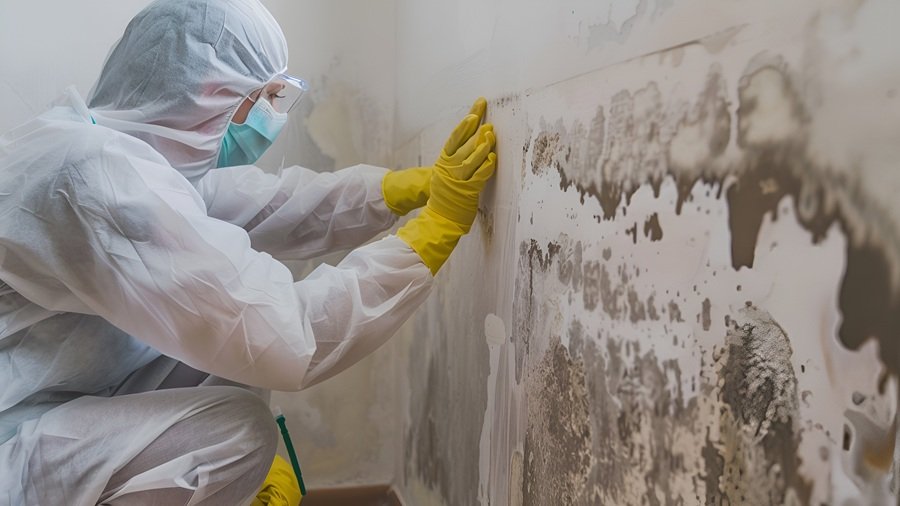
Visible Mold Spots on Ceilings, Walls, or Near Roofing Structures
Visible discoloration on ceilings or upper walls is a clear signal that mold growth is already underway. These patches often appear as black or green or brown spots and usually trace back to roof leak prevention failures or water resistant roofing materials that have deteriorated. Ceiling water damage causes staining first but mold quickly follows when moisture remains trapped.
In properties lacking regular roof inspection and sealing small cracks in tiles or membranes or flashing allow water intrusion that slowly spreads across ceiling surfaces. Once mold becomes visible it often means the infestation extends deeper into insulation or roof decking. Professional Mold Restoration Services are essential at this stage to safely remove contaminated materials and prevent spores from spreading through the air and ventilation systems.
Frequent Roof Leaks and Unresolved Water Seepage Problems
Recurring roof leaks are one of the most direct contributors to mold development. Even leaks that seem minor can cause significant damage if left unaddressed. Water seepage roof problems often occur in aging roofs without long term roof protection or seasonal waterproofing maintenance. Over time moisture intrusion weakens structural elements and creates hidden mold colonies.
Flat roof waterproofing failures or damaged roof waterproofing membranes or improperly applied liquid waterproofing systems can all allow water to pool and penetrate underlying layers. When leaks return repeatedly despite temporary fixes it is a strong indication that moisture has already compromised the structure. Mold restoration professionals work alongside roofing experts to address both mold removal and the root cause ensuring long term roofing maintenance and mold prevention.
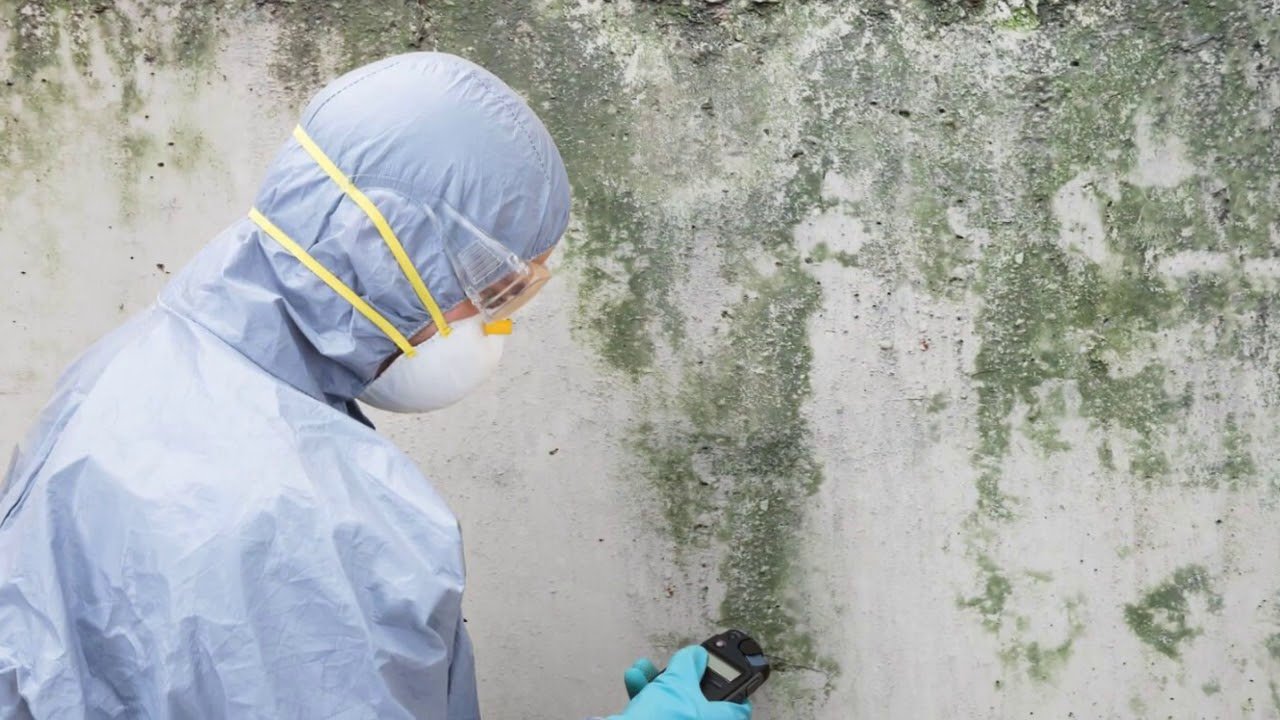
Health Symptoms That Worsen Indoors
Mold exposure often manifests through unexplained health symptoms particularly when occupants spend extended time indoors. Persistent coughing or sneezing or headaches or skin irritation or worsening asthma can all be linked to airborne mold spores. These symptoms frequently improve when individuals leave the building which is a key warning sign of indoor contamination.
Roof moisture protection system failures and mold and mildew roof damage allow spores to circulate through HVAC systems. Without proper remediation these spores continue to affect air quality regardless of cleaning efforts. Professional Mold Restoration Services include air quality control and containment and safe removal methods that protect occupants while restoring a healthy indoor environment.
Warping, Cracking, or Structural Changes in Roofing and Ceilings
Structural changes such as sagging ceilings or warped roof panels or cracking surfaces indicate prolonged moisture exposure. These issues often stem from structural water damage prevention failures where moisture has weakened load bearing materials over time. Mold thrives in these conditions accelerating material decay and increasing repair costs.
Concrete roof waterproofing breakdowns or deteriorated bitumen roof waterproofing or aging elastomeric roof coatings all contribute to long term moisture intrusion. Once structural damage is visible mold growth is usually extensive and requires immediate professional intervention. Restoration specialists assess the full scope of damage and remove compromised materials and coordinate preventive roof care solutions to restore safety and durability.
Why Delaying Mold Restoration Can Be Costly
Ignoring early mold warning signs often leads to extensive property damage that goes far beyond surface cleanup. Mold spreads quickly through porous materials such as drywall and insulation and wood framing increasing restoration complexity and expense. In commercial buildings delayed action can disrupt operations and violate health regulations and damage reputations.
In San Diego’s climate combining professional mold restoration with roof waterproofing strategies such as polyurethane waterproofing systems or tile roof waterproofing treatments helps extend roof lifespan waterproofing while preventing future infestations. Proactive intervention reduces long term costs and safeguards both residential and commercial investments.
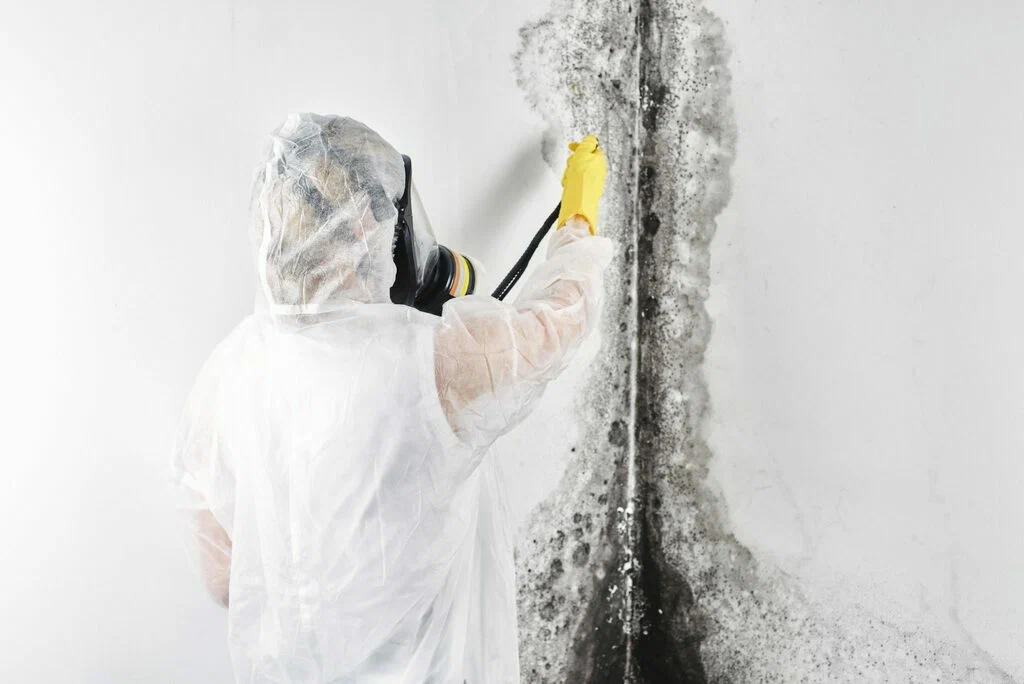
How Professional Mold Restoration Addresses the Root Cause
Professional Mold Restoration Services go beyond removal. Experts identify moisture sources whether from roof leak prevention failures or aging metal roof waterproofing solutions or inadequate residential roof waterproofing. Restoration plans often integrate roof maintenance waterproofing and preventive roof care solutions to stop mold from returning.
By combining mold remediation with roofing inspections and sealing and long term roof protection strategies property owners achieve lasting results. This holistic approach ensures that mold does not reappear after remediation preserving structural integrity and indoor air quality for years to come.
Frequently Asked Questions
How quickly can mold spread after a roof leak?
Mold can begin growing within 24 to 48 hours of moisture exposure. Roof leaks that remain unresolved for even a short period can allow mold colonies to establish themselves inside ceilings and insulation and wall cavities.
Can I remove mold myself without professional help?
Surface mold may appear manageable but hidden growth and airborne spores pose health risks. Professional Mold Restoration Services use containment and specialized equipment to remove mold safely and completely.
Does roof waterproofing help prevent mold?
Yes proper roof waterproofing membranes and coatings and regular maintenance significantly reduce moisture intrusion which is the primary cause of mold growth in buildings.
How often should roofs be inspected to prevent mold issues?
Annual inspections along with seasonal roof waterproofing and sealing are recommended to detect early signs of leaks or moisture intrusion before mold develops.