
Water damage is one of the most disruptive problems a property can face. It can start from something small like a leaking pipe and quickly turn into structural damage, mold growth, and costly repairs if not handled correctly.
This is why water damage restoration is a structured and professional process. It is not just about removing water, it involves inspection, extraction, drying, sanitizing, and full reconstruction of affected areas.
Whether you are dealing with a home emergency or searching for water damage restoration near me, understanding how the process works helps you make faster and better decisions during a crisis.
What Is Water Damage Restoration?
Restoration Services San Diego, CA is the complete process of returning a property to its original safe and livable condition after it has been affected by water intrusion.
It includes multiple stages such as:
- Identifying the source of water
- Removing standing water
- Drying hidden moisture inside walls and floors
- Cleaning and disinfecting affected areas
- Repairing damaged structures
Professional companies offering water damage restoration services use advanced equipment like moisture meters, industrial dehumidifiers, air movers, and thermal imaging tools to ensure no hidden moisture is left behind.
The goal is not just surface cleaning, it is full structural recovery.
Why Water Damage Happens
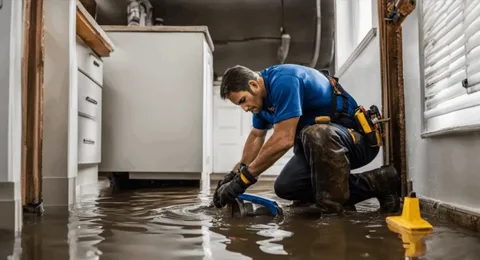
Water damage can occur suddenly or gradually over time. Understanding the cause helps determine the severity and required restoration approach.
Common causes include:
- Burst or leaking pipes inside walls
- Heavy rainfall and roof leaks
- Faulty plumbing systems
- Overflowing sinks, bathtubs, or toilets
- Appliance failures (washing machines, dishwashers, water heaters)
- Sewer backups and drainage issues
- Flooding from storms or natural disasters
In commercial environments, damage is often more complex, requiring Water Damage Restoration San Diego, CA due to larger spaces, equipment risk, and operational downtime concerns.
Why Immediate Water Damage Restoration Is Critical
Water spreads quickly. Within minutes, it can soak flooring, walls, furniture, and structural materials. The longer it stays, the worse the damage becomes.
Immediate action helps to:
- Prevent structural weakening
- Stop mold growth within 24–48 hours
- Reduce repair costs significantly
- Protect electrical systems from hazards
- Save furniture and personal belongings
Delays often turn a manageable issue into a full reconstruction project.
Categories of Water Damage
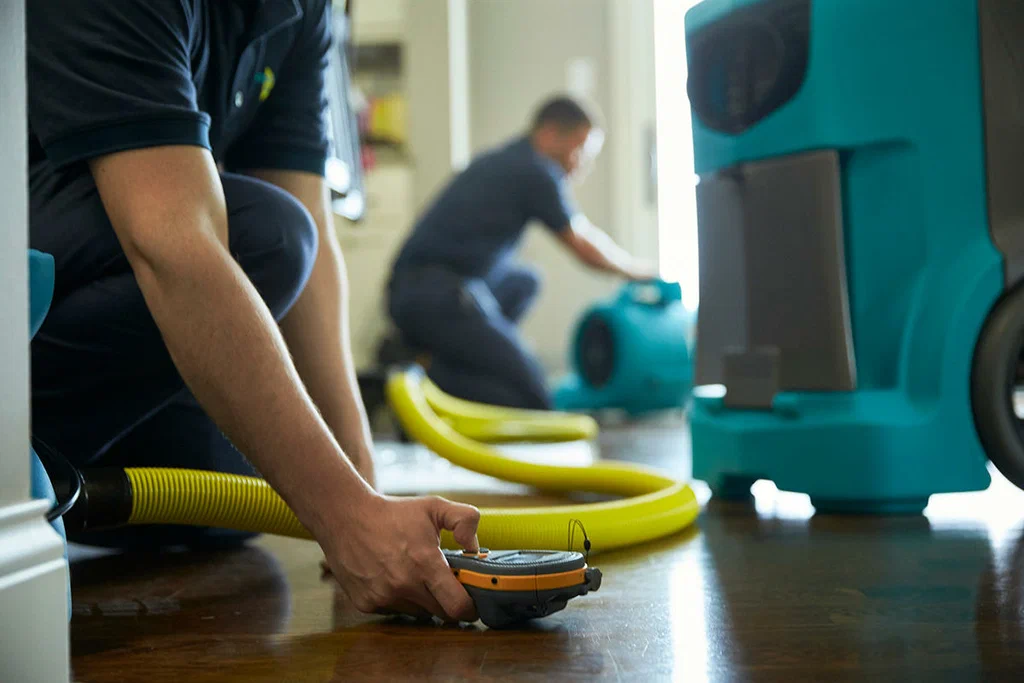
Professionals classify water damage into three categories based on contamination level. This classification determines the safety procedures and restoration method.
Category 1: Clean Water
This comes from safe sources like broken pipes or sink overflows. If addressed quickly, it causes minimal contamination.
Category 2: Gray Water
This includes water with some contamination, such as washing machine leaks or dishwasher overflow. It may contain detergents or bacteria.
Category 3: Black Water
This is highly contaminated water from sewage backups, flooding, or stagnant water. It contains harmful pathogens and requires full protective handling and deep sanitation.
Each category requires different water damage restoration services and safety protocols to ensure proper cleanup.
Step-by-Step Water Damage Restoration Process
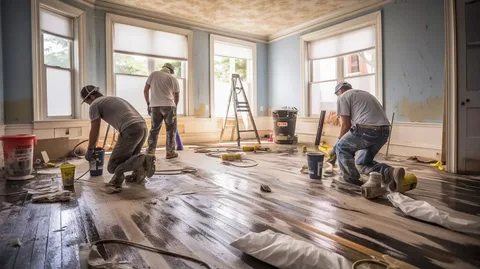
Professional restoration follows a detailed system designed to fully restore safety and structure.
Step 1: Emergency Inspection and Damage Assessment
The first step is a full inspection of the property. Restoration technicians identify:
- Source of water intrusion
- Type of water contamination
- Extent of structural damage
- Moisture levels inside materials
Special tools such as infrared cameras and moisture meters are used to detect hidden water behind walls, ceilings, and flooring.
This step helps create a complete restoration plan.
Step 2: Water Removal and Extraction
Once the assessment is complete, all standing water is removed using industrial-grade pumps and extraction machines.
This step is crucial because:
- It stops further spreading of water
- Reduces drying time
- Prevents additional structural damage
For severe flooding, multiple extraction units may be used simultaneously.
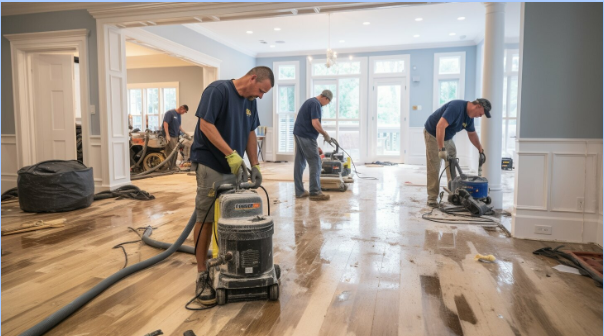
Step 3: Drying and Dehumidification Process
Even after visible water is removed, moisture remains trapped inside walls, carpets, wood, and insulation.
To handle this, professionals use:
- High-speed air movers
- Industrial dehumidifiers
- Moisture monitoring systems
This stage can take several days depending on the severity of the damage. Proper drying is essential to prevent mold growth and long-term structural issues.
Step 4: Deep Cleaning and Sanitization
Once drying is complete, all affected areas are thoroughly cleaned and disinfected.
This includes:
- Walls and floors
- Furniture and upholstery
- Carpets and rugs
- Air ducts (if needed)
Special antimicrobial treatments are often applied to prevent bacteria and mold growth.
Odor removal is also done during this stage to restore indoor air quality.
Step 5: Repairs and Full Restoration
The final step is repairing or rebuilding damaged structures. Depending on severity, this may include:
- Replacing drywall and insulation
- Repairing flooring or subflooring
- Painting and finishing work
- Structural repairs in severe cases
At this point, the property is restored to its original condition.
Commercial Water Damage Restoration
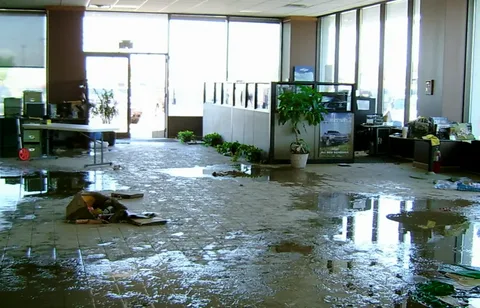
In commercial properties, water damage becomes even more critical due to business interruption and equipment loss.
Commercial water damage restoration focuses on:
- Rapid response to reduce downtime
- Protecting inventory and electronics
- Restoring large-scale infrastructure
- Coordinating phased repairs to resume operations quickly
Businesses often require priority restoration because delays directly affect revenue and operations.
When to Search for Professional Help
You should immediately contact professionals if:
- Water covers a large area
- There is sewage or contaminated water
- Walls or floors feel soft or swollen
- Musty odors start developing
- Electrical systems are affected
- Water has been present for more than 24 hours
In urgent cases, people often search for water damage restoration near me to get fast local help.
Professional Water Damage Restoration in San Diego
For fast emergency response and expert recovery, Homerun Restoration provides complete support for both residential and commercial properties.
Trusted Restoration Services San Diego, CA are available to handle water emergencies with professional-grade equipment and rapid response teams.
You can also access reliable Water Damage Restoration San Diego, CA services for fast inspection, extraction, drying, and full property restoration.
Final Thoughts
Water damage restoration is a detailed, step-by-step process that goes far beyond simple water cleanup. It involves inspection, extraction, drying, sanitization, and full structural repair to ensure a property is safe again.
Acting quickly is the most important factor in minimizing damage and reducing restoration costs. Whether it’s a minor leak or major flooding, professional help ensures the job is done correctly and completely.
FAQs
What is included in water damage restoration?
It includes inspection, water extraction, drying, cleaning, sanitizing, and structural repairs.
How long does water damage restoration take?
It can take from a few days to several weeks depending on the severity and size of the affected area.
Is professional water damage restoration necessary?
Yes, especially for large-scale or contaminated water damage, to ensure safety and full restoration.
What should I do immediately after water damage?
Stop the water source if possible and contact professionals for emergency assessment and restoration.