
If you’ve discovered mold growing in your home, one of the first questions you may ask is whether it is black mold or regular mold. Understanding the black mold vs regular mold debate is important because different types of mold can affect your property and health in different ways.
Mold is a common problem in homes, especially in areas with excess moisture, poor ventilation, or water damage. While many homeowners assume all mold is the same, there is a significant difference between mold and black mold when it comes to appearance, growth patterns, and potential health concerns. Knowing what you’re dealing with can help you take the right action before the problem becomes more serious.
What Is Mold?
Mold is a type of fungus that grows in damp and humid environments. It reproduces by releasing microscopic spores into the air. These spores can settle on surfaces and begin growing when moisture is present.
Mold can develop on:
- Drywall
- Wood
- Carpet
- Ceiling tiles
- Insulation
- Furniture
- Bathroom surfaces
Mold comes in many colors, including white, green, gray, yellow, brown, and black. While all mold should be addressed, some varieties are considered more hazardous than others.
Understanding the Difference Between Mold and Black Mold
When discussing the difference between mold and black mold, it’s important to understand that black mold is actually one specific category of mold.
Regular mold refers to a wide range of mold species commonly found in homes. Black mold usually refers to Stachybotrys chartarum, a dark-colored mold that thrives in areas affected by long-term moisture problems.
Regular Mold
Regular mold includes many common species such as:
- Aspergillus
- Cladosporium
- Penicillium
These molds often appear:
- Green
- White
- Gray
- Brown
Although regular mold may not produce the same toxins associated with black mold, it can still trigger allergies, respiratory irritation, and property damage.
Black Mo
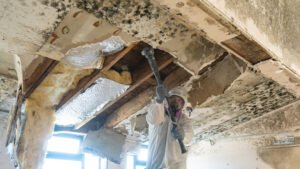
Mold remediation service
ld
Black mold typically appears dark green or black and often has a slimy texture when wet.
It commonly grows on:
- Water-damaged drywall
- Wood framing
- Ceiling materials
- Insulation
- Paper-backed building products
Black mold is known for producing mycotoxins that may contribute to health issues in sensitive individuals.
Why Does Mold Grow in Homes?
Mold requires three primary conditions to grow:
Moisture
Leaks, flooding, high humidity, and condensation provide ideal conditions for mold growth.
Organic Material
Mold feeds on materials such as:
- Wood
- Drywall
- Paper
- Fabric
Poor Ventilation
Bathrooms, basements, attics, and crawl spaces often experience limited airflow, making them common mold hotspots.
Without addressing moisture sources, mold can quickly spread throughout a property.
Black Mold vs Regular Mold Appearance
One of the easiest ways to compare black mold vs regular mold is by appearance.
Regular Mold Characteristics
Regular mold may appear:
- Powdery
- Fuzzy
- Velvety
Colors may include:
- Green
- White
- Gray
- Brown
It often grows in patches and spreads across damp surfaces.
Black Mold Characteristics
Black mold typically appears:
- Dark green to black
- Slimy when wet
- Dense and clustered
It often develops after prolonged water exposure rather than short-term moisture events.
While appearance can provide clues, professional testing is often necessary for accurate identification.
Health Effects of Regular Mold
Many people underestimate the impact of common mold exposure.
Regular mold can cause:
- Sneezing
- Coughing
- Runny nose
- Watery eyes
- Skin irritation
- Asthma flare-ups
Individuals most at risk include:
- Children
- Seniors
- Allergy sufferers
- People with respiratory conditions
Even non-toxic molds can affect indoor air quality and create discomfort when left untreated.
Health Effects of Black Mold
The discussion around black mold vs regular mold often centers on health concerns.
Black mold exposure may contribute to:
- Chronic coughing
- Breathing difficulties
- Sinus congestion
- Headaches
- Fatigue
- Skin irritation
People with weakened immune systems may experience stronger reactions.
While research continues regarding long-term effects, experts generally recommend immediate action whenever black mold is discovered.
Common Locations Where Mold Develops
Regardless of the mold type, certain areas are more vulnerable to growth.
Bathrooms
Bathrooms provide constant moisture from showers, sinks, and poor ventilation.
Watch for mold around:
- Tile grout
- Bathtubs
- Shower walls
- Under sinks
Basements
Basements often experience:
- Humidity
- Foundation leaks
- Flooding
These conditions make them ideal for mold growth.
Attics
Roof leaks and inadequate ventilation can create hidden mold problems in attics.
Kitchens
Leaky plumbing and excess moisture around appliances can encourage mold development behind cabinets and walls.
Property Damage Caused by Mold
Mold affects more than just health.
Over time, mold can damage:
- Drywall
- Wood framing
- Flooring
- Insulation
- Furniture
Severe Mold infestations can weaken structural materials and result in costly repairs.
The longer mold remains untreated, the greater the potential for extensive property damage.
drymedic headerbg moldremediation Copy
The Mold Remediation Process Explained
A professional Mold Remediation Process involves more than simply cleaning visible mold.
Inspection and Assessment
Professionals identify:
- Mold type
- Affected areas
- Moisture sources
Containment
Containment barriers help prevent spores from spreading to unaffected parts of the home.
Air Filtration
HEPA filtration systems remove airborne mold spores during remediation.
Mold Removal
Contaminated materials may be:
- Cleaned
- Treated
- Removed
depending on the severity of damage.
Moisture Control
Addressing leaks and humidity problems is critical to preventing future growth.
Final Verification
A final inspection confirms the affected area has been properly restored.
Can You Remove Mold Yourself?
Small surface mold growth may sometimes be cleaned safely by homeowners.
However, DIY removal has limitations.
Professional help is strongly recommended when:
- Mold covers more than 10 square feet
- Black mold is suspected
- Water damage is extensive
- Mold is inside HVAC systems
- Occupants have health concerns
Attempting to remove large mold colonies without proper equipment can spread spores throughout the property.
Preventing Mold Growth in Your Home
Prevention remains the most effective defense against mold.
Fix Water Leaks Quickly
Address roof leaks, plumbing issues, and foundation problems as soon as possible.
Improve Ventilation
Use:
- Exhaust fans
- Attic ventilation
- Dehumidifiers
to reduce indoor moisture.
Monitor Humidity Levels
Indoor humidity should generally remain below 50%.
Clean Damp Areas Regularly
Bathrooms, laundry rooms, and basements should be cleaned routinely.
Schedule Professional Inspections
Regular inspections can identify hidden moisture problems before mold develops.
When to Call Professionals
Many homeowners are unsure when mold requires professional attention.
You should contact a restoration specialist if:
- Mold continues returning after cleaning
- Musty odors persist
- Water damage occurred recently
- Mold is visible behind walls
- Family members experience unexplained respiratory symptoms
Professional restoration teams use specialized equipment and proven remediation techniques to eliminate mold safely.
For homeowners dealing with serious mold concerns, professional Comprehensive Mold Removal services can help restore indoor air quality and protect the structure of the property.
Why Professional Mold Remediation Matters
The biggest mistake homeowners make is focusing only on visible mold.
Successful remediation requires identifying:
- Hidden mold colonies
- Moisture sources
- Air quality concerns
- Structural damage
A professional restoration company can provide a complete solution rather than a temporary fix.
Understanding black mold vs regular mold is only the first step. Proper remediation ensures the problem does not return.
Conclusion
Understanding the black mold vs regular mold comparison can help homeowners make informed decisions when mold appears in their property. While regular mold can still affect indoor air quality and trigger allergies, black mold often raises greater concerns due to its potential health risks and association with long-term water damage.
The key to protecting your home is early detection, moisture control, and professional remediation when necessary. If you notice signs of mold growth, unusual odors, or water damage, taking action quickly can prevent more serious problems down the road.
At Homerun Restoration, our experienced team provides professional mold inspections, remediation, and restoration services to help homeowners create a safer and healthier living environment.
Frequently Asked Questions
Is black mold more dangerous than regular mold?
Black mold is often considered more concerning because it can produce mycotoxins and is commonly associated with significant water damage. However, all mold growth should be addressed promptly.
Can I tell if mold is black mold just by looking at it?
Not always. Many molds can appear dark in color. Professional testing is often required to accurately identify the mold species.
How quickly can mold spread in a home?
Mold can begin growing within 24 to 48 hours after water exposure and may spread rapidly if moisture issues are not corrected.
What is the best way to prevent mold growth?
The best prevention strategy is controlling moisture through leak repairs, proper ventilation, humidity management, and regular property inspections.