
Fire damage can be overwhelming, disruptive, and emotionally exhausting for any property owner. In 2026, the fire damage restoration process has become more structured, regulated, and insurance-driven than ever before. For homeowners and commercial property owners in San Diego, understanding how restoration after fire works is critical to protecting both property value and long-term safety.
Fire incidents in Southern California often involve a combination of flame damage, smoke infiltration, water saturation from firefighting efforts, and potential environmental hazards. A proper fire damage restoration process does not simply repair visible damage—it restores structural integrity, air quality, and habitability while meeting insurance and regulatory standards. This guide explains exactly how the fire damage restoration process works in 2026 in San Diego, CA, step by step.
Emergency Response and Initial Fire Damage Assessment
The first phase of fire damage restoration begins immediately after the fire department clears the property for entry. Time is critical during the first 24 to 48 hours, as secondary damage such as corrosion, soot embedding, and mold growth can begin rapidly. Professional responders offering Fire Damage Restoration Service in San Diego, CA are trained to mobilize quickly to stabilize the property and document all damage accurately.
During the initial assessment, restoration professionals evaluate three major damage categories: structural fire damage, smoke and soot contamination, and water damage caused by suppression efforts. Advanced tools such as moisture meters, thermal imaging cameras, and air quality sensors are used to identify hidden damage behind walls, under flooring, and within HVAC systems. This documentation forms the foundation of the insurance claim and determines the full scope of restoration work.
At this stage, property owners are advised not to remove damaged materials or discard belongings. Insurance carriers require complete documentation of losses, and premature cleanup can negatively impact claim approvals.
Property Stabilization, Board-Up, and Safety Measures
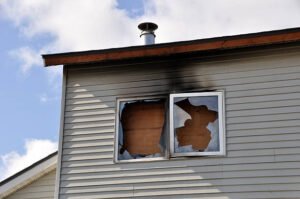
Once the assessment is complete, immediate stabilization begins to prevent further loss. Fire often compromises doors, windows, roofs, and structural framing, leaving properties vulnerable to weather exposure and unauthorized entry. Board-up services and emergency roof tarping are critical components of modern fire damage restoration steps in California.
This phase also includes utility isolation. Gas lines, electrical panels, and water supplies are shut off to eliminate safety risks. In San Diego and surrounding regions, compliance with local building and safety codes is mandatory before any restoration work can proceed. Experienced teams providing home restoration in Temecula, CA and nearby areas follow strict safety protocols to ensure the property remains secure throughout the restoration process.
Water Removal and Structural Drying After Fire Suppression
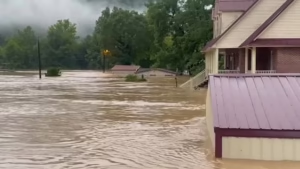
Although fire is the primary cause of damage, water is often the most destructive secondary factor. Firefighting efforts can introduce thousands of gallons of water into a structure, saturating walls, flooring, insulation, and subfloors. Effective water mitigation is a non-negotiable part of the fire damage restoration process.
Industrial extraction equipment removes standing water, while commercial-grade air movers and dehumidifiers are deployed to dry affected materials. Restoration professionals continuously monitor moisture levels using calibrated instruments until the structure reaches industry-accepted dry standards. In 2026, failure to properly document drying logs can result in insurance claim disputes or denied coverage.
This phase also helps prevent mold growth, which can begin within 48 hours in damp environments. Proper drying protects both structural integrity and indoor air quality.
Smoke, Soot, and Airborne Contaminant Removal
Smoke damage often extends far beyond the area where the fire occurred. Smoke particles travel through air currents, HVAC ductwork, and wall cavities, contaminating rooms that may appear untouched. In modern fire damage restoration CA projects, smoke remediation is treated as a health-critical step rather than a cosmetic one.
Professional cleaning includes dry soot removal using HEPA-filtered vacuums, chemical cleaning of surfaces based on material type, and deep HVAC decontamination. Soot is acidic and can permanently etch glass, metal, and stone surfaces if not removed promptly. Fine particles may also contain harmful compounds that pose long-term respiratory risks.
Restoration teams serving Comprehensive Restoration Solutions in Bostonia, CA and greater San Diego County follow strict containment protocols to prevent cross-contamination during cleaning.
Odor Neutralization and Indoor Air Restoration
Removing visible soot does not eliminate smoke odors. Smoke odor molecules penetrate porous materials such as drywall, wood framing, insulation, upholstery, and fabrics. Effective odor neutralization requires specialized technology rather than masking agents.
In 2026, advanced deodorization methods include thermal fogging, hydroxyl generation, and controlled ozone treatment. Each method is selected based on the severity of smoke penetration and whether the property needs to remain occupied during treatment. This phase ensures that odor sources are neutralized at the molecular level, restoring indoor comfort and livability.
Structural Repair and Full Property Restoration
Once the property is clean, dry, and deodorized, the rebuilding phase begins. This is where the transformation becomes visible. Structural restoration may involve replacing fire-damaged drywall, insulation, flooring, cabinetry, and framing. Electrical systems, plumbing, and HVAC components exposed to heat or water are inspected and repaired or replaced as needed.
Modern restoration after fire prioritizes restoring materials whenever possible to reduce costs and environmental impact. However, safety and compliance always take precedence. All reconstruction work must meet California building codes and local San Diego regulations. Permits and inspections are coordinated as part of the restoration process to ensure legal clearance for occupancy.
Insurance Coordination and Claim Management in 2026
Insurance involvement is central to every fire damage restoration project. In 2026, carriers require detailed documentation at every stage, including moisture readings, material inventories, cleaning logs, and reconstruction scopes. Restoration professionals work directly with insurance adjusters to align on scope, pricing, and timelines.
Clear communication between the property owner, restoration contractor, and insurer helps prevent delays and disputes. Proper documentation also protects the homeowner’s financial interests by ensuring eligible losses are fully accounted for under the policy.
Final Inspection, Clearance, and Return to Occupancy
The final phase of the fire damage restoration steps is verification. A comprehensive inspection confirms that all damage has been addressed and that no secondary issues remain. Air quality testing ensures smoke particles are within safe limits, moisture readings confirm dryness, and system checks verify safe operation of electrical and HVAC components.
Once inspections are complete and permits are signed off, the property is cleared for occupancy. Homeowners receive completion documentation, which is important for insurance records and future property transactions.
Why Professional Fire Damage Restoration Matters in San Diego
San Diego properties face unique challenges, including coastal humidity, wildfire exposure, and strict building regulations. Working with experienced restoration professionals ensures compliance, safety, and efficient recovery. Cutting corners or attempting DIY cleanup can lead to long-term structural issues, health risks, and insurance complications.
Professional restoration protects not just the building, but the people who live and work inside it.
Frequently Asked Questions
How soon should fire damage restoration begin?
Fire damage restoration should begin within 24 to 48 hours after the fire department clears the property. Early intervention prevents secondary damage and improves insurance outcomes.
How long does fire damage restoration take?
Minor damage may take one to two weeks, moderate damage three to six weeks, and severe structural fires can require several months depending on permits and rebuilding scope.
Is fire damage restoration covered by insurance?
Most homeowner and commercial property policies cover fire damage restoration, including smoke and water damage. Coverage depends on policy terms and documentation.
Can smoke damage be completely removed?
Yes, professional smoke remediation using HEPA cleaning and advanced deodorization methods can fully eliminate smoke residue and odors in most cases.