
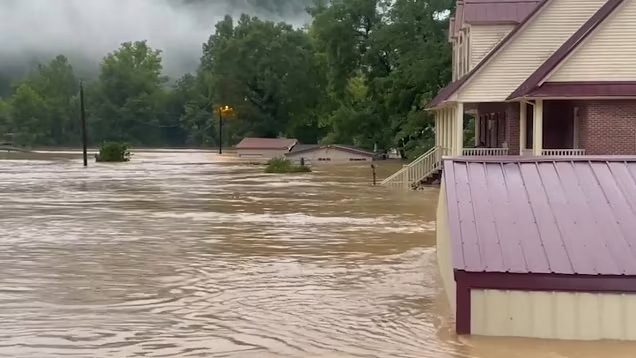
In 2026 Homerun Restoration emphasizes that flash Floods in San Diego’s Inland Valleys have become significantly more dangerous due to rapid weather changes and intense storm patterns and overloaded drainage systems. Homeowners living in inland valley regions face a unique level of risk because flash floods can develop within minutes often without clear warning signs. The first hour after flooding begins is the most critical time for protecting lives and minimizing structural damage and preventing long term restoration costs.
Unlike slow rising floods flash floods behave aggressively and unpredictably. Water can enter homes through doors and garage openings and vents and even foundation cracks before residents fully understand the severity of the situation. In many cases damage begins silently within walls and flooring long before visible flooding is noticed. That is why understanding flash Floods in San Diego’s Inland Valleys and responding correctly in the first hour is essential for every homeowner in the region.
This guide provides a detailed breakdown of what homeowners must do immediately and how to reduce damage and how to prepare for safe recovery after the storm passes.
Understanding Flash Flood Risks in San Diego’s Inland Valleys
Flash Floods in San Diego’s Inland Valleys occur when heavy rainfall overwhelms natural and urban drainage systems causing water to accumulate rapidly in low lying residential areas. Inland valleys are particularly vulnerable because surrounding hills and developed surfaces push water directly into neighborhoods increasing both speed and intensity of flooding.
Over the past few years San Diego inland valley flooding has become more frequent due to climate shifts and reduced soil absorption and expanding urban development. Many homeowners underestimate how quickly water levels can rise during a storm assuming they have time to react when in reality conditions can change within minutes.
Understanding flood risk inland San Diego helps homeowners recognize that flash floods are not limited to traditional flood zones. Even properties that have never flooded before may still be at risk during extreme weather events.
Immediate Safety Actions During the First Minutes
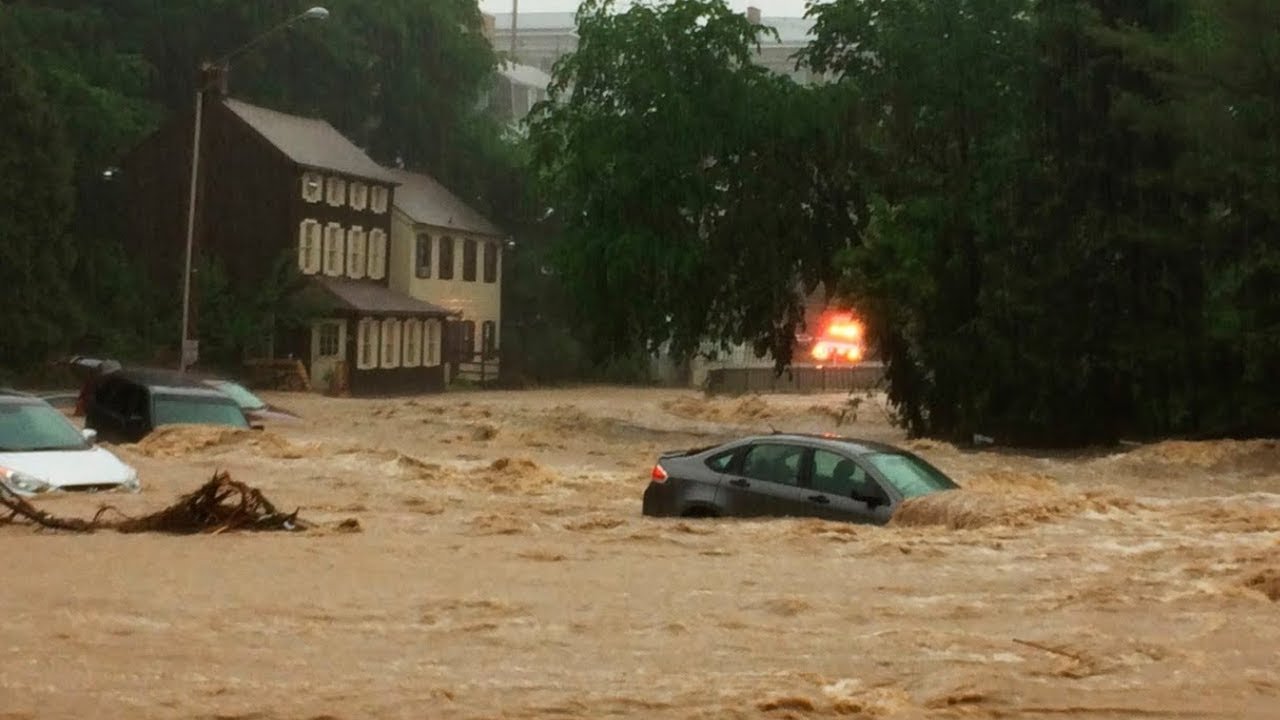
During flash floods in San Diego’s Inland Valleys personal safety must always come first. If water levels begin to rise quickly homeowners should immediately avoid walking or driving through flooded areas. Even shallow moving water can create life threatening conditions by knocking people off balance or disabling vehicles.
A proper flash flood emergency response begins by moving all household members to higher ground within the home such as upper floors or elevated rooms. It is also important to stay away from electrical outlets and appliances and wiring as water can conduct electricity and create serious hazards.
Following correct what to do during flash flooding procedures can prevent injuries and save lives during the most dangerous stage of the disaster. Panic free decision making in these first minutes is critical for survival and damage control.
Securing the Home During the First Hour
Once immediate safety is ensured homeowners should focus on reducing incoming water where possible. During flash floods in San Diego’s Inland Valleys closing doors and sealing entry points and placing temporary barriers can help slow water intrusion.
Another important step in the first hour after flood damage is safely shutting off electricity and gas if accessible. This helps prevent electrical fires and gas leaks and additional hazards that can escalate the emergency situation.
Applying proper emergency flood response steps early can significantly reduce structural damage and limit the spread of water throughout the home especially in basements and ground floor areas.
Preventing Further Home Damage
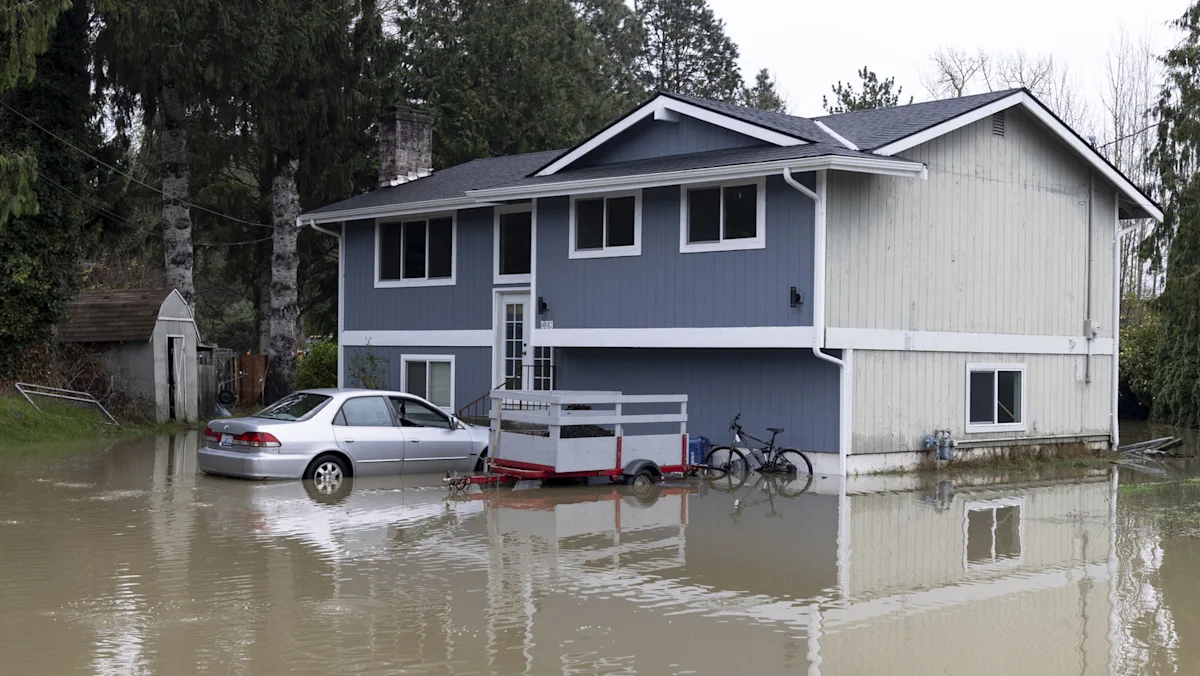
Protecting belongings and structural components is crucial during active flooding. Homeowners should move valuables and electronics and important documents to upper levels as quickly as possible to avoid irreversible damage.
Effective prevent flood damage home strategies include elevating furniture and blocking water pathways where possible and removing absorbent materials like rugs and carpets. Garages and storage rooms are often the first areas affected and require immediate attention.
Taking basement flooding emergency steps early can also reduce long term issues such as mold growth and odor development and weakening of foundational materials.
Structural and Utility Safety Concerns
Floodwater introduces serious risks to a home’s structural integrity and utility systems. One major concern is flood damage to foundations which can occur when water pressure builds around the structure causing cracks or shifting over time.
Electrical systems are another critical danger area. Electrical hazards flood water can lead to electrocution risks making it unsafe to interact with any wet electrical components. Similarly gas line safety flooding becomes a major concern if underground or indoor lines are compromised.
Understanding water damage structural risks helps homeowners avoid actions that could worsen the situation such as entering unstable areas or attempting repairs without professional guidance.
Mold, Sewage, and Health Risks
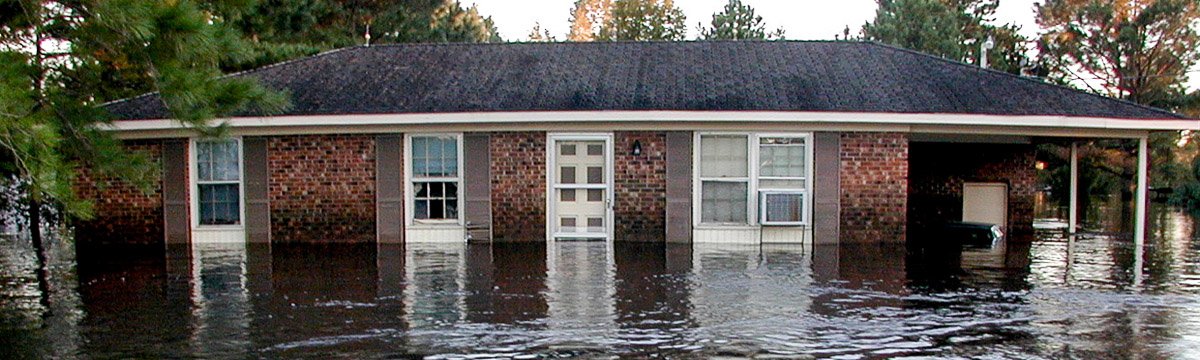
Standing water after flash floods in San Diego’s Inland Valleys creates an ideal environment for mold growth and bacterial contamination. Moisture trapped in walls and flooring and insulation can begin developing mold within 24 to 48 hours if not addressed properly.
Mold prevention after flooding requires fast water removal and controlled drying but only after the property is deemed safe. In many cases floodwater may also contain sewage due to overwhelmed municipal systems creating serious sewage backup flood risk concerns.
Ignoring these risks can lead to long term health issues and structural deterioration making professional restoration essential after major flooding events.
Documenting Damage and Insurance Steps
Once immediate danger has passed documentation becomes a critical step in recovery. The document flood damage insurance process involves taking detailed photos and videos and written records of all affected areas and damaged belongings.
Understanding flood insurance claim steps early can significantly speed up financial recovery and help homeowners receive proper compensation. In some cases homeowners may also qualify for FEMA flood assistance California depending on the severity of the disaster.
Accurate and timely documentation ensures smoother communication with insurance providers and supports successful claim approvals.
Emergency Repairs and Cleanup Planning
After flash floods in San Diego’s Inland Valleys emergency repairs may be necessary to prevent further damage. These include temporary tarping and water extraction and structural drying to stabilize the property.
However homeowners should avoid permanent repairs until inspections and insurance evaluations are completed. A structured flood cleanup timeline helps prevent rushed decisions that could lead to additional costs or compliance issues.
Professional restoration teams are often required for safe and effective recovery ensuring the property is properly cleaned and dried and restored.
Preparing for Future Flash Floods
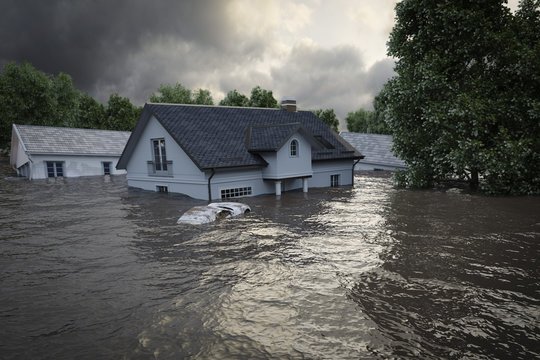
Experiencing flash floods in San Diego’s Inland Valleys once highlights the importance of preparation for future events. Creating a flash flood preparedness checklist helps homeowners respond faster and more effectively during emergencies.
An emergency evacuation planning flood strategy should be discussed with all family members including safe routes and meeting points. Monitoring flood warning signs homeowners receive through alerts and weather updates can also improve reaction time during future storms.
A well prepared storm emergency action plan reduces panic and ensures better protection for both people and property.
Why the First Hour Matters Most
The first hour of flash floods in San Diego’s Inland Valleys determines the overall impact of the disaster. Quick and informed action reduces injuries and limits property damage and improves recovery outcomes significantly.
Homeowners who follow a proper flash flood preparedness guide are far more likely to protect their homes and recover quickly after the event. Every minute in the first hour plays a critical role in shaping long term results.
Conclusion
Flash Floods in San Diego’s Inland Valleys are among the most dangerous natural events for homeowners due to their speed and unpredictability. However the right actions taken in the first hour can dramatically reduce damage and protect lives and improve recovery outcomes.
With proper awareness and preparation and timely response homeowners can minimize losses and restore safety more efficiently. Professional restoration support further ensures that homes are fully recovered and protected against future flooding risks.
FAQs
What should homeowners do immediately during a flash flood?
Homeowners should move to higher ground and avoid floodwater contact and shut off utilities if safe and follow emergency alerts immediately.
Why is the first hour after flooding so important?
The first hour determines safety outcomes and helps prevent severe structural and electrical and water related damage.
Can flash floods damage a home’s foundation?
Yes prolonged water pressure can weaken foundations and cause cracks and lead to long term structural instability.
Should cleanup start immediately after flooding?
No cleanup should only begin once the area is safe and floodwaters recede preferably under professional supervision.