
If you’re wondering whether is black mold dangerous, the answer is yes—it can be. Black mold is one of the most concerning indoor contaminants found in homes affected by moisture, leaks, or flooding. While not all mold is toxic, certain types like Stachybotrys chartarum can produce harmful mycotoxins that affect indoor air quality and human health.
Understanding how dangerous black mold is, how to identify it, and how to remove it safely is essential for protecting your home and health. In this guide, we break everything down in simple, practical steps.
Mold Restoration Services in San Diego: What Makes Black Mold So Dangerous?
When dealing with mold problems, professional Mold Restoration Services in San Diego are often needed because black mold spreads quickly in moist environments and can become a serious health hazard.
The question is black mold dangerous is important because this mold type grows in areas with water damage, leaks, and high humidity. Once it starts growing, it releases airborne spores that affect indoor air quality.
What Is Black Mold?
Black mold is a type of fungus that grows in damp areas such as:
- Bathrooms
- Basements
- Crawlspaces
- Areas with plumbing leaks
- Flood-damaged walls
The scientific name Stachybotrys chartarum is commonly linked with toxic black mold. It thrives in cellulose-rich materials like drywall, wood, and insulation.
Why Black Mold Becomes Dangerous
Black mold becomes dangerous when:
- Moisture is not controlled
- Spores spread through air circulation
- Mold growth is left untreated
People often search how dangerous is black mold because exposure can lead to respiratory issues and long-term health problems if ignored.
Restoration Services San Diego, CA: Causes and Warning Signs of Black Mold Growth
Access to professional Restoration Services San Diego, CA is critical when water damage creates conditions for mold growth. Moisture is the number one cause of black mold infestations.
Common Causes of Black Mold Growth
Black mold usually grows due to:
- Water leaks in plumbing systems
- Flooding and storm damage
- High indoor humidity
- Poor ventilation
- Condensation buildup
- Roof leaks
These conditions create the perfect environment for mold spores to spread.
Warning Signs of Mold in Your Home
Homeowners often ask is black mould harmful when they notice:
- Musty odor in rooms
- Black or greenish stains on walls
- Peeling paint or wallpaper
- Damp drywall
- Persistent humidity
These are strong indicators that mold is actively growing behind surfaces.
Hidden Mold Problem
One of the biggest risks is hidden mold inside:
- Walls
- HVAC systems
- Under carpets
- Behind cabinets
This makes professional inspection essential for safety.
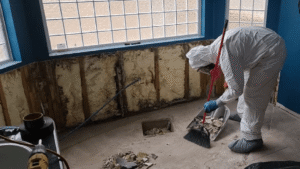
Choosing the best mold remediation company for your project
Water Damage Restoration Services San Diego, CA: Health Risks and Symptoms of Black Mold Exposure
When water damage occurs, fast action from Water Damage Restoration Services San Diego, CA can prevent mold from spreading and causing serious health issues.
The question symptoms black mould exposure is very common because effects vary from mild irritation to severe respiratory problems.
Common Symptoms of Black Mold Exposure
Exposure may cause:
- Sneezing and coughing
- Eye irritation and redness
- Skin rashes
- Sinus congestion
- Headaches
- Fatigue
- Wheezing or asthma flare-ups
These symptoms are more severe in children, elderly individuals, and people with weakened immune systems.
Long-Term Health Risks
Prolonged exposure may lead to:
- Chronic respiratory infections
- Immune system weakening
- Allergic reactions
- Ongoing sinus problems
This is why understanding is black mold dangerous is critical for early prevention.
How Dangerous Is Black Mold Compared to Regular Mold?
Not all mold is equally harmful. To understand how dangerous is black mold, we need to compare it with regular household mold.
Regular Mold (Non-Toxic)
- Common in bathrooms and kitchens
- Causes mild allergy symptoms
- Easier to clean
Black Mold (Potentially Toxic)
- Produces mycotoxins
- Spreads through airborne spores
- Can affect indoor air quality
- More difficult to remove
This difference is why black mold requires more serious attention and often professional remediation.
How to Identify Black Mold in Your Home
Identifying black mold early is essential to reduce health risks.
Visual Signs
- Dark green or black patches
- Slimy or fuzzy texture
- Growing in clusters
Smell Indicators
- Strong musty odor
- Smells like damp soil or decay
Location Clues
Black mold is commonly found in:
- Basements
- Bathrooms
- Attics
- Areas with water leaks
Hidden Mold Warning
Even if you don’t see mold, you may still have it behind walls or under flooring after water damage.
Safe Mold Removal and Prevention Methods
Once you confirm mold growth, safe removal is essential.
DIY Cleaning (Small Areas Only)
You may use:
- Vinegar solution
- Hydrogen peroxide
- Mild detergent
But always wear protective gear like gloves and masks.
When NOT to Clean It Yourself
Avoid DIY cleaning if:
- Mold covers large areas
- It returns after cleaning
- It is inside walls or HVAC systems
Professional Mold Remediation
Experts use:
- HEPA air filtration
- Moisture detection tools
- Industrial-grade cleaners
- Containment systems
This ensures mold does not spread further.
How to Prevent Black Mold in Your Home
Prevention is the most effective way to avoid mold problems.
Control Moisture
- Fix leaks immediately
- Dry wet areas quickly
- Use dehumidifiers
Improve Airflow
- Open windows regularly
- Use exhaust fans in bathrooms
- Maintain HVAC systems
Regular Inspections
Check areas prone to moisture such as:
- Basements
- Attics
- Under sinks
Final Answer: Is Black Mold Dangerous?
Yes, is black mold dangerous is not just a search question; it is a real health concern. Black mold can affect indoor air quality, trigger respiratory symptoms, and cause long-term health issues if left untreated.
However, with early detection, proper cleaning, and professional help, it can be controlled and removed safely.