
A flooded basement in Bostonia, CA, can quickly lead to mold growth if not addressed immediately.
Mold can begin forming within 24 to 48 hours, making quick action essential.
Preventing mold requires removing water promptly, drying the area completely, cleaning and disinfecting all affected surfaces, and taking proper safety measures.
At Homerun Restoration, our skilled team specializes in flooded basement clean-up to protect your home and your family’s health.
Safety First: Protect Yourself
Before starting any flooded basement clean-up, safety comes first. Floodwater can carry bacteria, sewage, and other hazards. Disturbing mold can also trigger allergic reactions or respiratory issues.
- Turn off electricity: Make sure power to the basement is shut off. Call your local utility.
- Wear protective gear: Use an N95 respirator, goggles, waterproof gloves, rubber boots, and long clothing to prevent contact with contaminants.
Homerun Restoration provides full safety guidance and equipment recommendations to ensure your flooded basement clean-up is safe and effective.
Step-by-Step Flooded Basement Clean Up
1. Remove Standing Water Quickly
The first step is to remove all standing water. The faster you act, the lower the risk of mold.
- Use a submersible pump for large amounts of water.
- Use a wet/dry vacuum for smaller puddles.
- Mops and towels can help with minor water damage.
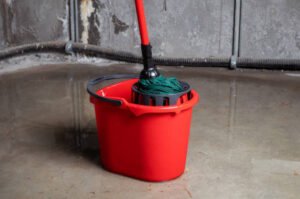
- For very deep water, remove it gradually to prevent foundation damage.
Our team at Homerun Restoration handles water extraction efficiently with professional equipment for fast and safe flooded basement clean-up.
2. Remove Wet and Damaged Materials
Porous items wet for more than 24–48 hours almost always grow mold. Removing them is essential.
- Discard: Wet carpet, padding, drywall, insulation, ceiling tiles, upholstery, and paper products. Cut wallboard at least one foot above the water line.
- Keep if possible: Non-porous items like metal, glass, or certain plastics can be cleaned and dried.
- Document items for insurance claims before disposal.
Homerun Restoration offers complete removal of contaminated materials and proper disposal as part of our flooded basement clean-up services.
3. Dry the Area Completely
Thorough and rapid drying is key to stopping mold. Aim to dry everything within 48 hours.
- Ventilation: Open doors and windows if the outside air is less humid.
- Air circulation: Use fans to move air; avoid using them if mold is visible.
- Dehumidifiers: Use industrial-grade dehumidifiers to keep humidity below 50%.
- Hidden areas: Check behind cabinets and inside wall cavities; concrete may take weeks to dry.
At Homerun Restoration, we use professional fans and dehumidifiers to ensure every corner of your basement is completely dry.
4. Clean and Disinfect Surfaces
Once dry, clean and disinfect everything exposed to floodwater.
- General cleaning: Wash surfaces with unscented detergent and water.
- Disinfection: For non-porous surfaces, use 1 cup of bleach per gallon of water.
- Porous surfaces: Use commercial antimicrobial solutions or vinegar.
- HVAC: Have systems inspected and cleaned to prevent mold spread.
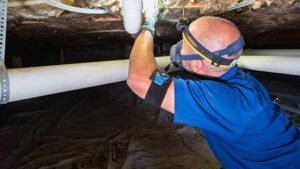
Homerun Restoration provides full cleaning and disinfecting services, including HVAC inspection, to stop mold from spreading during flooded basement clean-up.
When to Call Professionals
For severe flooding or mold growth covering more than 10 square feet, professional assistance is highly recommended.
Homerun Restoration has the equipment, experience, and expertise to detect hidden moisture, safely remove mold, and restore your basement. We also assist with insurance claims to make the process easier for homeowners.
Long-Term Prevention in Bostonia, CA
Once your basement is restored, preventing future flooding and mold is crucial. Regularly monitor humidity levels and maintain them between 30–50% with a dehumidifier.
Improve drainage around your home’s foundation, seal cracks, and ensure gutters and downspouts direct water away from the house. When rebuilding, use mold-resistant materials such as mold-resistant drywall or closed-cell spray foam insulation for added protection.
Homerun Restoration also provides long-term prevention solutions to help Bostonia, CA, homeowners avoid future basement flooding and mold problems.
CTA:
Protect your Bostonia home from future basement flooding and mold—contact Homerun Restoration today for expert long-term prevention solutions.