
Plumbing leaks are a common problem for homeowners in Oceanside, California. Even a small leak can cause serious damage over time. Water damage can ruin flooring, walls, and ceilings. It can also lead to mold growth that is hard to remove. In addition, leaks increase your water bills and waste valuable resources.
Detecting leaks early is important to protect your home and save money. Homerun Restoration offers professional plumbing leak detection and repair services to help homeowners address these issues quickly. This article will guide you through how to spot plumbing leaks and take action before they become a major problem.
Common Signs of Plumbing Leaks
The first step in finding a plumbing leak is to know what to look for. Many leaks start small and are easy to miss. Knowing the common signs can help you catch a problem early.
1. Visible Water Damage
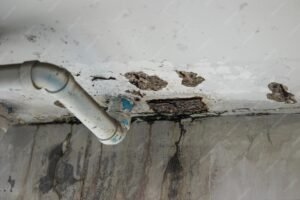
Water stains on walls, ceilings, or floors are a clear sign of a leak. You may notice discoloration or bubbling paint. Wood floors may warp or buckle when exposed to water. Pay attention to areas near sinks, tubs, and toilets.
2. Unusual Sounds
Sometimes leaks make sounds before they are visible. Hissing, dripping, or running water sounds in your walls or under sinks could indicate a hidden leak.
3. High Water Bills
A sudden increase in your monthly water bill can be a sign of a leak. Even a small drip can add up over time. Compare your bills over several months to spot any unusual increases.
4. Musty Odors or Mold
Leaks often create damp conditions that lead to mold or mildew. If you notice a persistent musty smell, check for hidden water damage. Mold can appear behind walls, under floors, or around ceilings.
5. Low Water Pressure
A drop in water pressure may indicate a leak in your plumbing system. If multiple faucets or showers have low pressure, it could be caused by a leak in the main water line.
Inspecting Specific Areas of Your Home
Leaks can occur in many places. Some areas are more prone to leaks than others. It helps to inspect your home regularly.
1. Kitchen
Check under sinks for dripping pipes. Inspect dishwasher connections and refrigerator water lines. Look for puddles or damp spots around these areas.
2. Bathrooms
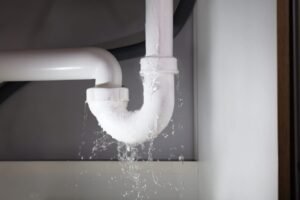
Toilets, tubs, showers, and sinks are common places for leaks. Check around the base of toilets and under the sink for moisture. Faucets that drip or run continuously may need repair.
3. Laundry Room
Washing machines use large amounts of water. Check hoses and connections for cracks or leaks. Inspect the floor around the machine for standing water.
4. Outdoor Areas
Your garden, irrigation system, and exterior faucets are also vulnerable. Look for wet spots in the yard or pooling water near pipes. Broken irrigation heads can waste a lot of water.
5. Attic and Crawl Spaces
Leaks are often hidden in attics or crawl spaces. Look for damp insulation, water stains on wood, or puddles on the floor. These leaks can cause structural damage if left untreated.
Tools and Methods for Detecting Leaks
There are several methods you can use to detect leaks. Some are simple and do not require professional tools, while others may need special equipment.
1. Visual Inspection
Start by looking carefully at all exposed pipes and fixtures. Check for wet spots, corrosion, or dripping water. Inspect behind appliances and under sinks. Visual inspection is often the first step to catching leaks early.
2. Water Meter Check
Your water meter can help detect hidden leaks. Turn off all water in your home and note the meter reading. Wait a few hours without using water and check the meter again. If the reading has changed, you may leak somewhere in your plumbing system.
3. Dye Test
Toilet leaks are common and easy to test. Add a few drops of food coloring to the toilet tank. Wait 15 to 30 minutes without flushing. If the color appears in the bowl, water is leaking from the tank to the bowl.
4. Moisture Meters and Infrared Cameras
Moisture meters can detect dampness in walls, floors, or ceilings. Infrared cameras are more advanced and can reveal hidden leaks behind walls. These tools are often used by professional plumbers for accurate detection.
5. Listening Devices
Some professionals use specialized acoustic equipment to hear leaks inside walls or underground pipes. While these tools are not common for homeowners, knowing they exist can help you understand how professionals locate difficult leaks.
Need a Hand? Call Home Restoration
Even with careful inspections and simple tools, some leaks can be tricky to find. Hidden pipes, small cracks, or leaks behind walls can go unnoticed and cause major damage over time. If you want peace of mind and professional results, call us at Homerun Restoration in Oceanside.
Our trained technicians use advanced equipment like moisture meters, infrared cameras, and acoustic devices to locate leaks quickly and accurately.
Hiring experts saves time, prevents further damage, and ensures your plumbing is repaired properly the first time.
Frequently Asked Questions (FAQs):
1. How can I tell if I have a plumbing leak?
Common signs include water stains, dripping sounds, low water pressure, or higher-than-normal water bills. Inspecting areas under sinks, behind appliances, and around toilets can help locate leaks.
2. Can small leaks cause serious damage?
Yes, even minor leaks can lead to water damage, mold growth, and structural issues over time. Catching them early can prevent costly repairs.
3. How can I check for hidden leaks?
You can turn off all water and check your water meter after a few hours to see if it has moved. Moisture meters or infrared cameras can also detect leaks behind walls or under floors.
4. Should I fix a leak myself or call a plumber?
Small leaks like dripping faucets can often be fixed at home. Larger leaks, hidden pipes, or mold issues should be handled by a licensed professional.
5. Can toilets leak without obvious signs?
Yes, toilets can leak from the tank to the bowl without visible water. Using a few drops of food coloring in the tank can help detect this type of leak.
6. How often should I inspect my plumbing?
It is a good idea to check pipes, faucets, and appliances at least once every few months. Seasonal checks are also recommended for outdoor faucets and irrigation systems.
7. How can I prevent future plumbing leaks?
Regular inspections, replacing old pipes, and avoiding harsh chemical drain cleaners help prevent leaks. Monitoring water usage can also alert you to problems early.