
When water damage strikes a property, understanding the difference between mitigation and restoration is critical for protecting your investment. works closely with homeowners and commercial property owners to address water emergencies quickly and effectively, starting with water mitigation services and continuing through complete recovery. Many people assume all water damage services are the same, but mitigation and restoration serve very different purposes within the recovery process.
Water damage can occur suddenly due to burst pipes, storms, appliance failures, or plumbing leaks. If not addressed immediately, even minor moisture issues can escalate into structural damage, mold growth, and long-term health risks. Knowing how mitigation and restoration differ allows property owners to make informed decisions, reduce losses, and restore their property safely and efficiently.
What Are Water Mitigation Services?
Water mitigation services focus on stopping water damage from getting worse and stabilizing the property as quickly as possible. During this phase, the priority is not cosmetic repairs but damage control. Professionals assess the source of the water, eliminate active moisture intrusion, and begin the drying process using specialized equipment.
In coastal and flood-prone areas, immediate response is essential. Services such as water damage repair in Oceanside, CA often begin with emergency water extraction, moisture mapping, and protective measures to prevent further deterioration. The goal is to limit secondary damage, such as warped flooring, compromised drywall, and microbial growth that thrives in damp environments.
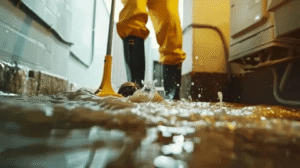
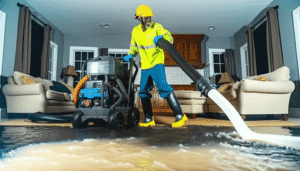
Mitigation is time-sensitive. The longer water remains inside a structure, the more damage it causes. This stage includes actions such as removing standing water, installing industrial dehumidifiers, and isolating affected areas to protect unaffected sections of the property. While mitigation does not restore the home to its original condition, it creates a safe and controlled environment for restoration to begin.
What Is Water Restoration Damage Repair?
Water restoration damage repair begins only after mitigation is complete. This phase focuses on rebuilding, repairing, and returning the property to its pre-loss condition. Structural repairs, material replacement, and detailed cleaning are all part of the restoration process.
Professional teams providing Expert Water Damage Restoration in San Diego, CA address damage that cannot be reversed through drying alone. This includes replacing damaged drywall, restoring flooring, repairing cabinetry, and resolving mold issues that developed as a result of prolonged moisture exposure. Restoration is comprehensive and often involves skilled trades such as carpentry, painting, and finishing work.
Unlike mitigation, restoration is not an emergency response but a carefully planned process. Moisture testing, humidity control, and quality inspections ensure that repairs are safe and long-lasting. Proper restoration not only improves appearance but also protects structural integrity and indoor air quality.
How Water Mitigation and Restoration Work Together
Water mitigation services and water restoration damage repair are not competing processes; they are sequential stages of a complete recovery plan. Without mitigation, restoration efforts are ineffective because moisture remains trapped within materials. Without restoration, mitigation leaves a property incomplete and unlivable.
In neighborhoods that require Restoration Services in Pacific Beach, CA, professionals follow a structured workflow. First, water sources are controlled and drying begins. Once moisture levels are stabilized, restoration specialists repair structural elements, eliminate residual hazards, and rebuild damaged areas. This collaboration ensures safety, efficiency, and compliance with industry standards.
Together, these services reduce long-term repair costs, shorten downtime, and minimize the risk of future damage. Property owners who skip or delay mitigation often face higher restoration expenses and increased mold risk, making early intervention essential.
Key Differences Between Water Mitigation and Water Restoration
The primary difference lies in purpose and timing. Water mitigation services aim to prevent additional damage immediately after a water loss event. Restoration of water damage focuses on repairs and reconstruction after conditions are stabilized.
Mitigation is preventative and temporary, while restoration is corrective and permanent. Mitigation addresses active threats such as standing water and high humidity, whereas restoration resolves visible damage and hidden structural issues. Understanding this distinction helps homeowners set realistic expectations and plan their recovery effectively.
Cost structures also differ. Mitigation costs are often lower but urgent, while restoration expenses depend on damage severity and repair complexity. Insurance providers typically require mitigation documentation before approving restoration claims, reinforcing the importance of acting quickly.
Why Professional Water Damage Services Matter
Attempting to handle water damage without professional help often leads to overlooked moisture, improper drying, and recurring problems. Certified technicians use advanced equipment and testing methods to detect moisture behind walls, under flooring, and within structural components.
Professional water mitigation services follow strict safety protocols and industry standards. Trained experts understand how different materials react to water exposure and which components can be salvaged versus replaced. This expertise protects both the property and its occupants from long-term risks such as mold exposure and structural failure.
Hiring professionals also ensures proper documentation for insurance claims. Detailed moisture readings, drying logs, and repair assessments support claim approvals and reduce disputes.
Health and Structural Risks of Delayed Action
Water damage is more than a cosmetic issue. Prolonged moisture creates ideal conditions for mold, bacteria, and allergens. These contaminants can trigger respiratory issues, allergic reactions, and long-term health concerns.
Structurally, water weakens wood framing, corrodes metal components, and compromises foundations. Even after surfaces appear dry, trapped moisture continues to degrade materials over time. Prompt mitigation followed by thorough restoration prevents these hidden dangers from escalating.
Choosing the Right Water Damage Recovery Partner
Selecting an experienced restoration company ensures that both mitigation and restoration are handled correctly. Look for licensed professionals with certifications, local experience, and a proven track record in managing complex water damage scenarios.
A reliable provider offers transparent communication, detailed assessments, and customized recovery plans. From emergency response to final repairs, the right partner prioritizes safety, quality, and long-term protection.
Final Thoughts
Understanding the difference between water mitigation services and water restoration damage repair empowers property owners to act decisively during emergencies. Both stages are essential components of a successful recovery strategy, each serving a distinct and necessary role.
By responding quickly, working with professionals, and following a structured recovery process, homeowners and businesses can protect their property, health, and financial investment. Comprehensive water damage recovery is not about quick fixes but about restoring safety, comfort, and peace of mind.
Frequently Asked Questions
How quickly should water mitigation services begin after damage?
Water mitigation services should begin within 24 hours of a water loss event. Immediate action reduces secondary damage and lowers restoration costs.
Can restoration start without mitigation?
No, restoration of water damage should only begin after mitigation is complete. Residual moisture can compromise repairs and lead to mold growth.
Does insurance cover both mitigation and restoration?
Most insurance policies cover both processes, provided mitigation is performed promptly and properly documented.
How long does the full water damage recovery process take?
Timelines vary based on damage severity. Mitigation may take days, while restoration can take weeks depending on repairs needed.